

To Buy Artvigil Online Visit Our Pharmacy ↓
 Artvigil Dosage Guide for Beginners
What Artvigil Is and How It Works
Artvigil is a wakefulness-supporting medication often chosen by people who need sharper focus during long, demanding days. It belongs to a group of compounds that influence brain chemicals linked to alertness, helping users feel less mentally foggy and more engaged.
Instead of acting like a stimulant that pushes the nervous system hard, it works more gradually. Many beginners describe it as a steady lift in concentration, with less of the jittery edge common in stronger energizers. That makes it appealing for work or study.
| Effect | Possible Result |
|---|---|
| Wakefulness | Less daytime sleepiness |
| Focus | Improved attention span |
| Energy | More consistent mental drive |
Its effects may vary from person to person, but the goal is usually the same: clearer thinking and better alertness without feeling overstimulated.
Starting Dosage for First-time Users
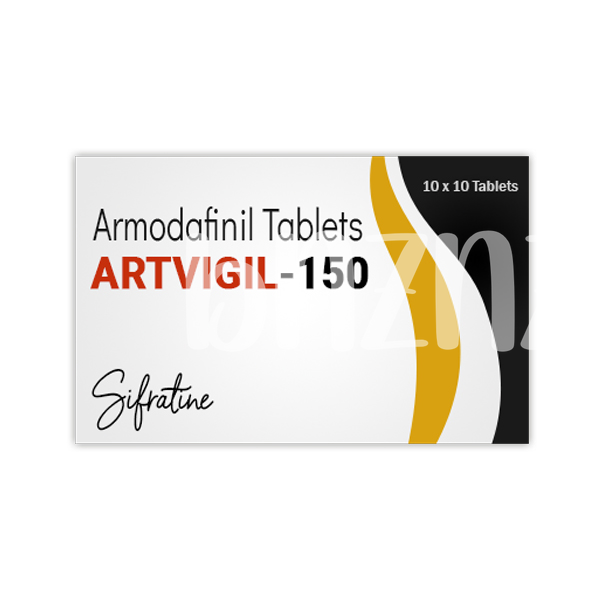
For first-time users, the most common approach is to begin with a low dose and see how the body responds. Many adults start with 150 mg of artvigil in the morning, especially if they want a gentle introduction to its wakefulness effects. Beginning conservatively can help reduce the chance of headaches, jitteriness, or trouble sleeping while still allowing you to notice whether the medicine is working well for you.
Taking the first dose early in the day is usually the safest choice, since artvigil can last for many hours. A morning start gives you time to observe focus, energy, and any side effects without interfering with nighttime rest. If you are sensitive to stimulants or have never used a similar medication, it is wise to avoid increasing the dose quickly.
Your goal at the beginning is not maximum effect, but steady, manageable alertness. Keep track of how long the benefit lasts, whether appetite changes, and whether you feel unusually wired or calm. This simple self-monitoring makes it easier to talk with a healthcare professional if adjustments are needed later.
Best Time to Take Artvigil Daily
Taking artvigil at the right time can make a big difference in how smoothly your day goes. Most beginners find it works best in the morning, ideally after breakfast, so the effects support focus and alertness during work or study hours without lingering too late.
Because artvigil may stay active for several hours, taking it later in the day can interfere with sleep. A consistent morning schedule also helps your body adapt and makes it easier to notice how you respond. If your routine shifts, keep the dose early enough to avoid nighttime restlessness.
Safe Dosage Limits and Common Mistakes
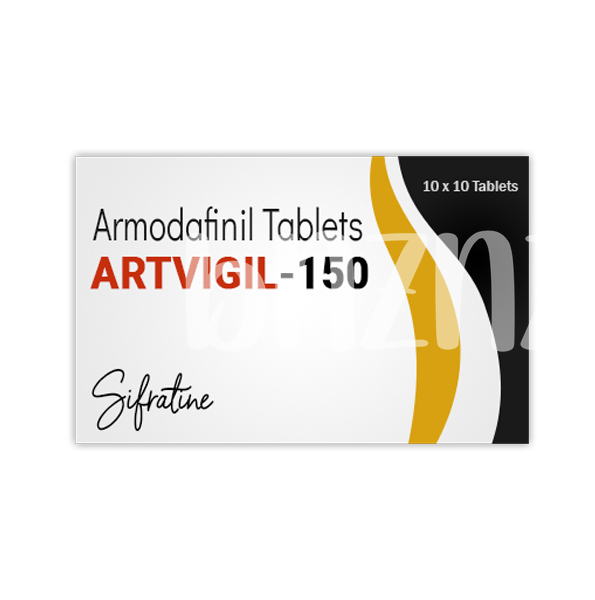
Artvigil works best when beginners treat the dose as a ceiling, not a challenge. Staying within the prescribed amount helps preserve focus while lowering the chance of headaches, jitters, or insomnia.
Many first-time users make the mistake of taking an extra tablet on a busy day, hoping for more energy. In reality, more artvigil does not always mean better results, and it can quickly make side effects harder to manage.
Another common error is mixing it with alcohol, other stimulants, or taking it too late in the day. These habits can disrupt sleep and leave you feeling drained the next morning, even if the dose seemed small.
A safer approach is to follow the smallest effective dose and keep a simple log of how you feel. This makes it easier to notice patterns and avoid repeating the same dosing mistakes.
Adjusting Dosage for Personal Tolerance
Everyone responds to Artvigil a little differently, so the smartest approach is to listen to your body rather than rush upward. If the initial dose feels smooth and alertness lasts through the day, there may be no need to change anything. But if you notice jitters, headache, anxiety, or trouble sleeping, that can be a sign the dose is too high for your personal tolerance. Many beginners find it helpful to keep a simple log of the time taken, energy level, and any side effects, then use that record to guide small, careful changes with medical advice.
| Response | What it may mean |
|---|---|
| Good focus, no discomfort | Current dose may be suitable |
| Jitters or insomnia | Dose may be too strong |
| Little effect | A cautious adjustment may be discussed |
The goal is steady benefit, not maximum stimulation. Small adjustments, spaced out over several days, are usually safer than sudden increases.
When to Avoid or Pause Artvigil
If your body feels unusually wired, dizzy, or anxious, it may be wiser to stop and reassess than push through. Artvigil can sharpen focus, but the same alertness may become a strain when sleep is already poor or stress is high.
A pause is also sensible during fever, chest discomfort, severe headache, or any new rash. These signals deserve attention, especially if they appear soon after a dose. In practice, listening early often prevents a small reaction from becoming a bigger setback.
People with heart problems, liver issues, or a history of serious skin reactions should be extra cautious and follow medical advice closely. It is equally important to avoid use with alcohol or other stimulants if they amplify side effects.
When uncertainty builds, taking a break and checking in with a clinician is the safest move. Reliable background on modafinil-related medicines can be found at PubChem and NCBI Bookshelf.