

To Buy Bimatoprost Online Visit Our Pharmacy ↓
 Bimatoprost and Long-term Eye Health Benefits
How Bimatoprost Supports Healthy Eye Pressure
Bimatoprost works quietly in the background, helping the eye maintain a healthier pressure level by improving how fluid drains away. When pressure stays balanced, the delicate structures inside the eye are less likely to be strained, which is especially important for people at risk of glaucoma. Many patients appreciate that treatment can feel simple while still offering meaningful protection for long-term vision. Its once-daily use also supports consistency, turning eye care into an easy part of the routine.
Over time, steady pressure control can make a real difference in preserving comfort and visual function. By reducing the buildup of fluid, bimatoprost helps the eye work more efficiently and lowers the chance of pressure-related damage. This makes ongoing treatment a valuable tool, not just for immediate management but for supporting eye health in the years ahead.
| Fluid drainage | Supports lower eye pressure |
| Daily use | Helps maintain consistency |
The Science Behind Long-term Pressure Control
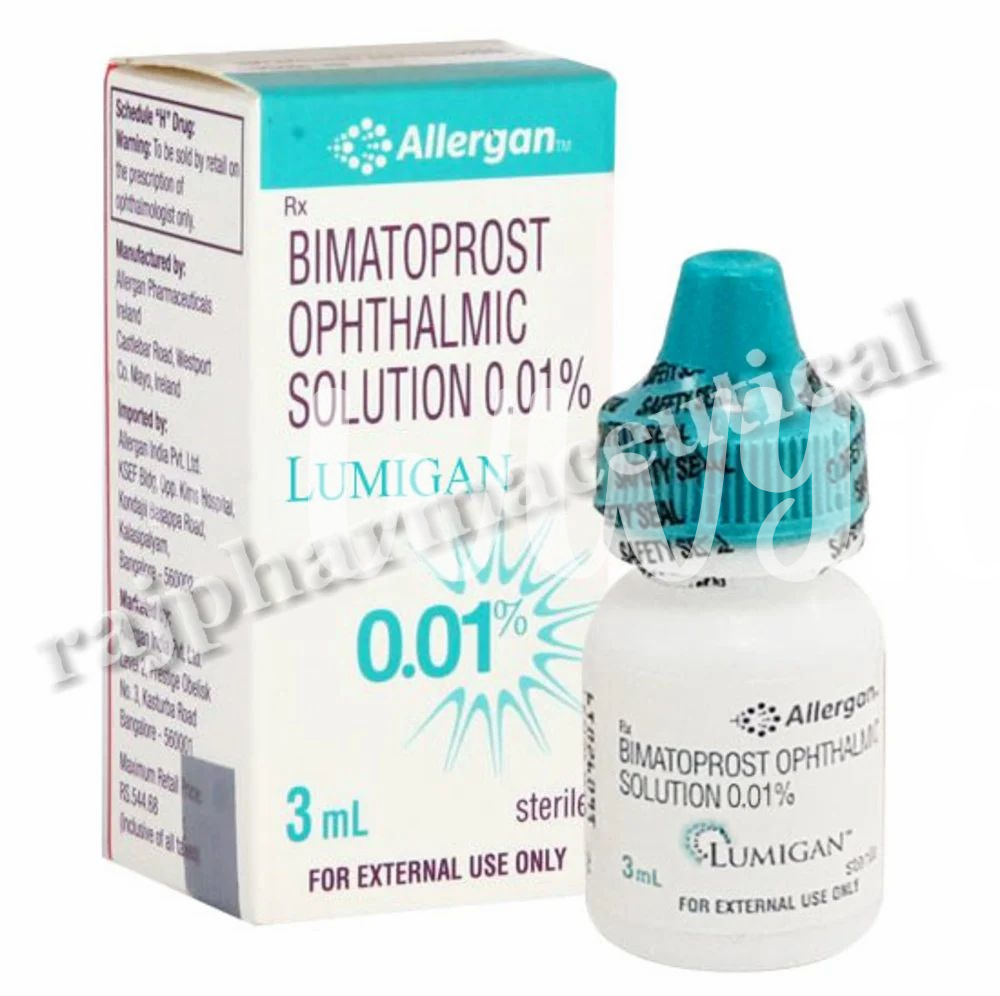
Bimatoprost works by helping the eye drain fluid more efficiently, which gradually lowers pressure inside the eye. Over time, this steady effect matters because even small pressure spikes can strain delicate tissues.
Its science is tied to the uveoscleral pathway, a natural drainage route that removes excess aqueous humor. By enhancing this flow, bimatoprost supports a more balanced internal environment.
That balance is important for long-term care. When pressure stays controlled, the optic nerve faces less stress, giving eye health a better chance to remain stable through months and years.
Consistency also shapes results. Regular use, combined with follow-up visits, helps treatment work as intended and gives patients a reliable foundation for preserving vision.
Preserving Optic Nerve Health over Time
When eye pressure stays in a healthier range, the optic nerve is less exposed to ongoing damage. Over time, that can help preserve the delicate fibers responsible for sending visual signals from the eye to the brain.
Bimatoprost supports this protection by helping lower pressure consistently, which is important because glaucoma-related nerve loss often happens quietly. Many people do not notice symptoms until changes are advanced, so steady treatment matters.
With regular use and follow-up care, long-term pressure control may help slow nerve deterioration and support vision for years to come. This makes bimatoprost an important part of a proactive eye health plan.
Bimatoprost’s Role in Glaucoma Management
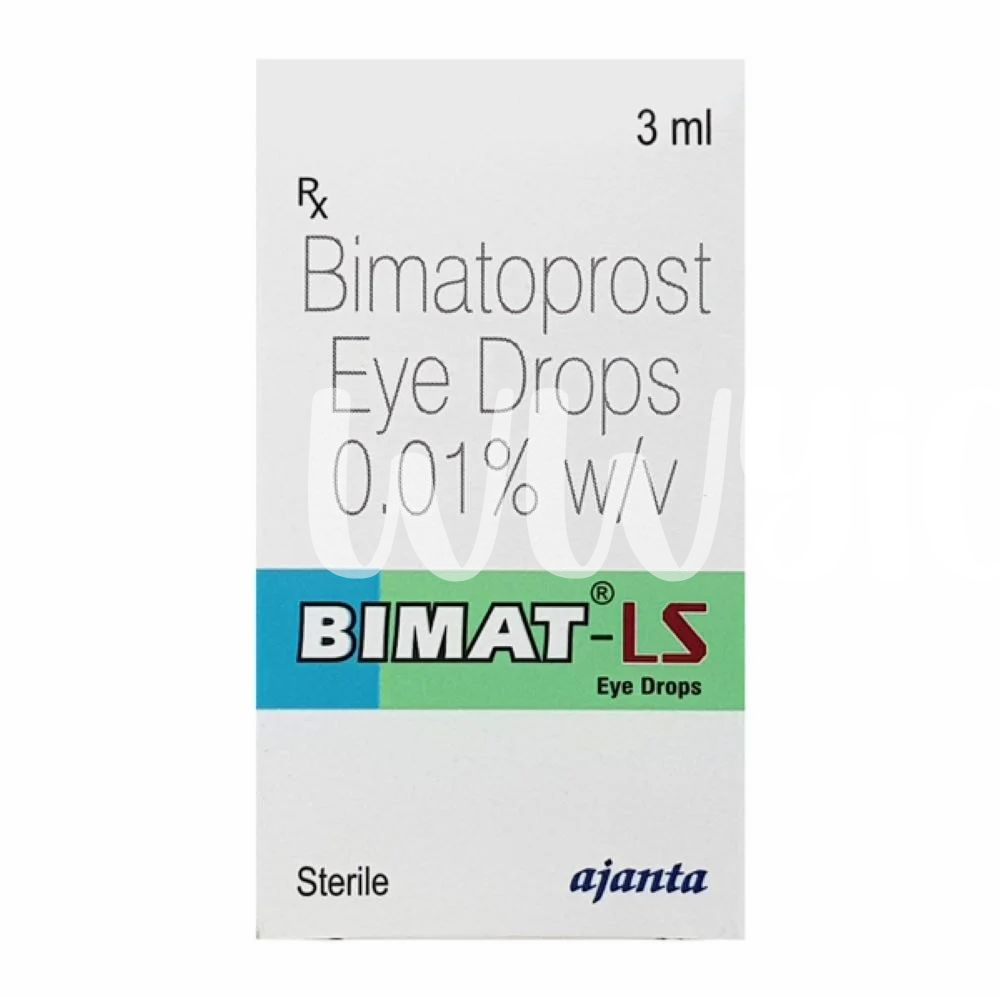
For many people living with glaucoma, treatment is less about a single prescription and more about protecting vision day by day. Bimatoprost plays an important part in that effort because it helps lower intraocular pressure, one of the main factors linked to glaucoma progression. By improving fluid drainage in the eye, it can reduce the pressure that quietly damages the optic nerve over time.
This matters because glaucoma often develops without obvious symptoms until vision loss has already begun. With bimatoprost, patients may gain a practical, once-daily option that fits into long-term management plans and supports steadier pressure control. That consistency can be valuable when the goal is not just treatment, but preservation.
When used as directed and combined with regular eye exams, bimatoprost can become a dependable tool in a broader glaucoma strategy. Its role is not to reverse damage, but to help slow progression and protect sight for the future.
Monitoring Eye Health during Ongoing Treatment
Regular checkups help turn treatment into a long-term success story. While bimatoprost works by supporting healthy eye pressure, its benefits are best tracked through consistent exams that measure pressure, review the optic nerve, and compare changes over time. These visits allow eye care professionals to spot subtle shifts before they become serious, making it easier to adjust care when needed. For many patients, monitoring also brings reassurance, because progress is not left to guesswork.
A good follow-up plan may include visual field testing, optic nerve imaging, and discussions about side effects or missed doses. Daily habits matter too, but the real strength of ongoing treatment comes from pairing home adherence with professional monitoring.
| Check | Why it matters |
|---|---|
| Eye pressure | Shows how well treatment is working |
| Optic nerve | Tracks long-term protection |
Everyday Habits That Boost Treatment Results
Small daily choices can make bimatoprost work even better. Taking the drop at the same time each evening helps build a reliable routine, while clean hands and careful application reduce the risk of contamination. If you wear contact lenses, remove them before using the medication and wait as advised before putting them back in.
Healthy habits outside the bottle matter too. Regular exercise, a balanced diet rich in leafy greens and omega-3s, and staying hydrated all support overall eye health. Limiting smoking and managing blood pressure or blood sugar can also protect the delicate structures that glaucoma can affect over time.
Most importantly, keep every follow-up appointment, even when your vision feels stable. Eye pressure can change quietly, and your doctor may adjust treatment based on those readings. When medication and daily habits work together, long-term results are often stronger and more consistent.