

To Buy Cymbalta Online Visit Our Pharmacy ↓
 Cymbalta and Chronic Pain Relief Explained
How Cymbalta Helps Tame Chronic Pain
Chronic pain can wear people down slowly, turning routine tasks into exhausting hurdles. Cymbalta offers a different approach by working on the brain chemicals that influence how pain is experienced. Instead of simply masking discomfort, it helps calm overactive pain pathways, which can make daily movement, sleep, and concentration feel more manageable. For many people, that shift can mean the difference between just getting through the day and feeling more in control of it.
As the medication builds in the body, some users notice that pain becomes less intense or less disruptive over time. This may not happen overnight, but the steady effect can support a more balanced response to ongoing pain. In practice, that means fewer spikes of discomfort and a better chance to stay active.
| Key idea | Effect |
| Pain signaling | Reduced amplification |
| Daily function | Improved comfort |
The Science Behind Duloxetine and Pain Signals
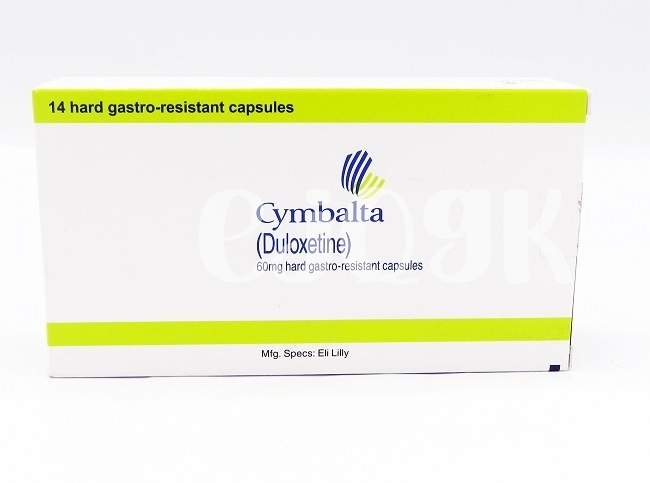
Cymbalta, known generically as duloxetine, works by changing how the brain and spinal cord handle pain messages. It increases the levels of serotonin and norepinephrine, two neurotransmitters that help regulate mood and strengthen the body’s natural pain-control pathways.
Instead of blocking pain at the injury site, it influences the nervous system’s “volume control,” making pain signals feel less intense. This can be especially helpful when chronic pain becomes amplified over time, a process sometimes called central sensitization.
Because of this dual action, cymbalta may ease pain while also improving sleep, energy, and emotional well-being. For many people, that broader effect matters, since chronic pain often affects more than just the body.
Which Chronic Pain Conditions It May Ease
For many people living with persistent aches, cymbalta can be part of a treatment plan when pain starts to affect daily life. It may help ease discomfort that feels constant, deep, or tied to nerve irritation.
Doctors often consider it for conditions such as fibromyalgia, where widespread body pain can make even simple tasks exhausting. It may also be used for diabetic nerve pain, helping reduce burning, tingling, or shooting sensations that interfere with sleep and movement.
Some patients with long-lasting musculoskeletal pain, including chronic back pain or osteoarthritis-related discomfort, may also find relief. While it is not a cure, its goal is to calm the pain signals that keep the body stuck in a cycle of soreness.
Because each condition responds differently, the benefits can vary. Still, for the right person, cymbalta may offer steadier comfort and a better chance to stay active.
Common Side Effects and What to Expect

When starting Cymbalta, many people notice their bodies adjusting during the first few days. Mild nausea, dry mouth, sleepiness, or a little dizziness can appear, especially as the medicine begins to settle in. These effects often feel discouraging at first, but for many users they ease with time as the system adapts.
Some people also report reduced appetite, constipation, or sweating more than usual. Others may feel slightly restless or have trouble sleeping. While these reactions can be uncomfortable, they do not always mean the treatment is failing. Tracking when symptoms happen can help you and your doctor understand your response better.
It is important to expect that benefits for pain may take several weeks to build. Cymbalta does not usually work like a quick painkiller. Instead, it gradually changes how pain signals are processed, so patience matters. Staying consistent with the prescribed dose often helps the experience feel more predictable.
If side effects become intense, unusual, or persistent, contact a healthcare professional. Severe mood changes, allergic reactions, or strong withdrawal symptoms should never be ignored. With the right guidance, many people find the early adjustment period manageable and worth the potential relief.
Safety Tips before Starting Cymbalta Treatment
Before starting cymbalta, a careful check-in with your doctor can make the journey safer and smoother.
Share your full medical history, especially liver disease, seizures, bipolar disorder, high blood pressure, or any past reactions to antidepressants. Mention every medicine you take, including pain relievers, sleep aids, and herbal supplements like St. John’s wort.
Because cymbalta can interact with certain drugs, your provider may adjust doses or recommend alternatives. Also, avoid stopping it suddenly without guidance, since withdrawal symptoms can be uncomfortable.
| Check | Why it matters |
|---|---|
| Medication list | Prevents dangerous interactions |
| Health history | Helps identify risk factors |
Comparing Cymbalta with Other Pain Relief Options
When chronic pain keeps daily life on edge, people often compare Cymbalta with familiar options like ibuprofen, acetaminophen, muscle relaxants, or even stronger prescription painkillers. Unlike medicines that mainly calm inflammation or dull pain briefly, duloxetine works on brain chemicals involved in pain processing, which can make it useful for nerve-related discomfort and widespread body pain. That difference matters when symptoms are long-lasting, hard to pin down, or linked with mood changes. NCBI Mayo Clinic
For some patients, Cymbalta may reduce the need for repeated doses of NSAIDs, but it is not a fast fix and may not suit everyone. Others may do better with physical therapy, topical treatments, or a combined plan that targets both pain and function. The best choice often depends on the pain source, other health conditions, and how well a person tolerates side effects. Working with a clinician helps balance relief, safety, and long-term results. NHS MedlinePlus