

To Buy Flagyl Online Visit Our Pharmacy ↓
 Flagyl Interactions: Medicines and Foods to Avoid
The Medication Mixes That Can Backfire
Some prescriptions can turn Flagyl into a troublesome partner. The antibiotic may intensify side effects or change how other medicines behave, leaving you with nausea, dizziness, or an upset stomach that feels worse than expected. This is especially true when Flagyl is paired with drugs that affect the nervous system, the liver, or your body’s ability to process medications. A careful medication review can help you avoid surprises and keep treatment on track.
The safest approach is to share every pill, capsule, and over-the-counter product with your doctor or pharmacist before starting Flagyl. Even common remedies can create problems when combined with it, and timing alone may not prevent a reaction. Listening to your body matters too: if a new symptom appears after a mix, don’t ignore it. Quick communication can prevent a minor issue from becoming a major setback.
| Medication type | Possible concern |
|---|---|
| Prescription drugs | May increase side effects or alter effectiveness |
Antibiotics and Drugs That Clash with Flagyl

Flagyl can quietly clash with other antibiotics, especially when a second medicine changes how bacteria are targeted or how your body processes treatment. What seems like a routine combination may increase nausea, dizziness, or weaken the effect of either drug.
Doctors are especially cautious with certain antibiotic pairings, since some can raise the chance of nerve problems or severe stomach upset. Flagyl may also interact with drugs used for seizures or mood disorders, making side effects more noticeable.
Before starting any new prescription, tell your clinician that you take flagyl. Even common medicines can alter your response, so a quick medication review helps prevent avoidable problems and keeps treatment on track.
Blood Thinners: Hidden Risks and Red Flags
Flagyl can quietly change how certain blood thinners work in the body. When this happens, the medicine may stay active longer than intended, raising the chance of bleeding.
People taking warfarin should be especially careful, since flagyl may increase its effects. Bruising, nosebleeds, dark stools, or bleeding gums are warning signs that should not be ignored.
Your doctor may need to check blood test results more often while you are on both medicines. Even a small dose change can matter, so never adjust treatment on your own.
If you notice unusual bleeding or feel weak and dizzy, call your doctor right away. Quick action can prevent a minor interaction from becoming a serious problem.
Alcohol and Flagyl: a Dangerous Combination
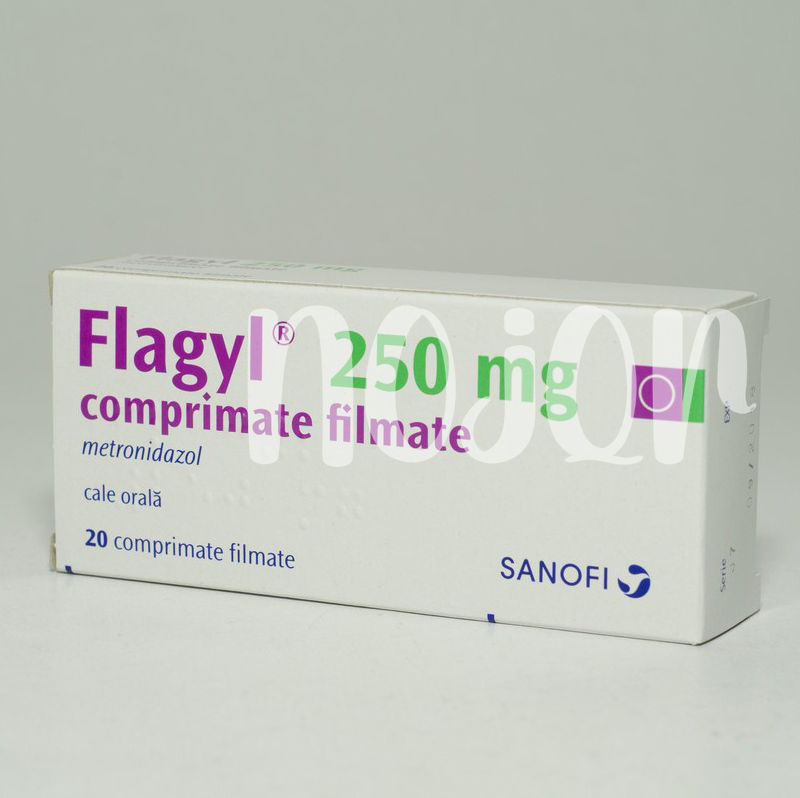
Even a small amount of alcohol can turn a routine course of Flagyl into a rough experience. The combination may trigger sudden nausea, vomiting, flushing, headache, stomach cramps, and a rapid heartbeat, making recovery feel harder than the infection itself.
This reaction can happen during treatment and for at least 48 hours after the last dose, because Flagyl stays in the body and continues affecting alcohol metabolism. That means “just one drink” is not a safe test.
Hidden alcohol can also show up in mouthwash, cough syrups, aftershave, and some desserts or sauces. Reading labels carefully helps avoid an accidental reaction.
The safest plan is simple: skip alcohol completely until your doctor says it is safe. If you do drink and develop severe symptoms, contact a healthcare professional right away.
Foods, Supplements, and Common Interaction Triggers
Some everyday choices can quietly change how Flagyl feels in your body. A heavy, greasy meal may worsen nausea, while taking the medicine with food can sometimes help reduce stomach upset. Stay alert to herbal products and vitamins, especially those that may irritate the stomach or affect liver processing.
A few items deserve extra caution. Probiotics may be useful during antibiotic treatment, but they should be timed well apart from flagyl unless your doctor advises otherwise. Avoid taking antacids or mineral-rich products at the same moment if they interfere with absorption.
| Trigger | Why it matters |
|---|---|
| Alcohol | May cause severe reactions |
| Herbal supplements | Can alter metabolism |
| Stomach irritants | May increase nausea |
When to Call Your Doctor about Reactions
If you notice a rash, trouble breathing, severe dizziness, or swelling of the face, seek medical help right away. These may signal a serious allergic reaction, and waiting can make things worse. Mild nausea can happen, but symptoms that feel intense or unusual should not be ignored.
Call your doctor if you develop numbness, tingling, confusion, or a metallic taste that becomes unbearable. Ongoing vomiting, severe diarrhea, or signs of dehydration also deserve attention. Your body may be reacting more strongly than expected.
If something feels off during treatment, trust that instinct. A quick call can prevent a small problem from turning into an emergency and help you stay safe while taking Flagyl.