

To Buy Imodium Online Visit Our Pharmacy ↓
 How Imodium Works for Sudden Diarrhea
What Sudden Diarrhea Does to Your Body
Sudden diarrhea can hit like a surprise alarm, leaving your stomach churning and your body on edge. The intestine speeds up, pushing food through before water can be absorbed properly.
That rush often causes loose stools, cramping, bloating, and an urgent need to find a bathroom fast. As fluid is lost, you may feel weaker, drier, and less steady.
Your body also works harder to stay balanced. Electrolytes can drop, and repeated trips to the toilet may leave you drained, irritated, and unable to focus.
| Loose stools | Cramping | Dehydration |
How Imodium Slows down Gut Motions

Imodium, or loperamide, acts on the gut’s movement signals. It binds to opioid receptors in the intestinal wall, helping calm the waves of muscle contractions that push food forward too quickly.
As those contractions slow, the intestine has more time to absorb water and salts back into the body. That gentle slowdown can turn frequent, urgent trips to the bathroom into a more manageable rhythm.
The change is local, mostly staying in the digestive tract rather than affecting the brain. That means imodium focuses on the bowel, not sedation.
For many people, this targeted action brings relief without feeling overly heavy, allowing the gut to settle.
Why Less Bowel Movement Means Firmer Stool
When the intestines slow their rhythm, food and fluid have more time to settle instead of rushing through the colon. That extra pause allows the bowel to absorb more water from the stool, which gradually changes a loose, urgent mess into something more formed and manageable.
With less movement, the stool spends longer in contact with the intestinal lining, so the body can reclaim moisture that would otherwise be lost. This is why imodium can be helpful during sudden diarrhea: it reduces the speed of transit, giving the gut a chance to tighten things up naturally.
As the stool becomes drier and more compact, bathroom trips often become less frequent and less urgent. The result is firmer stool, calmer digestion, and a better sense of control while the body settles.
When Imodium Starts Working after Dosing
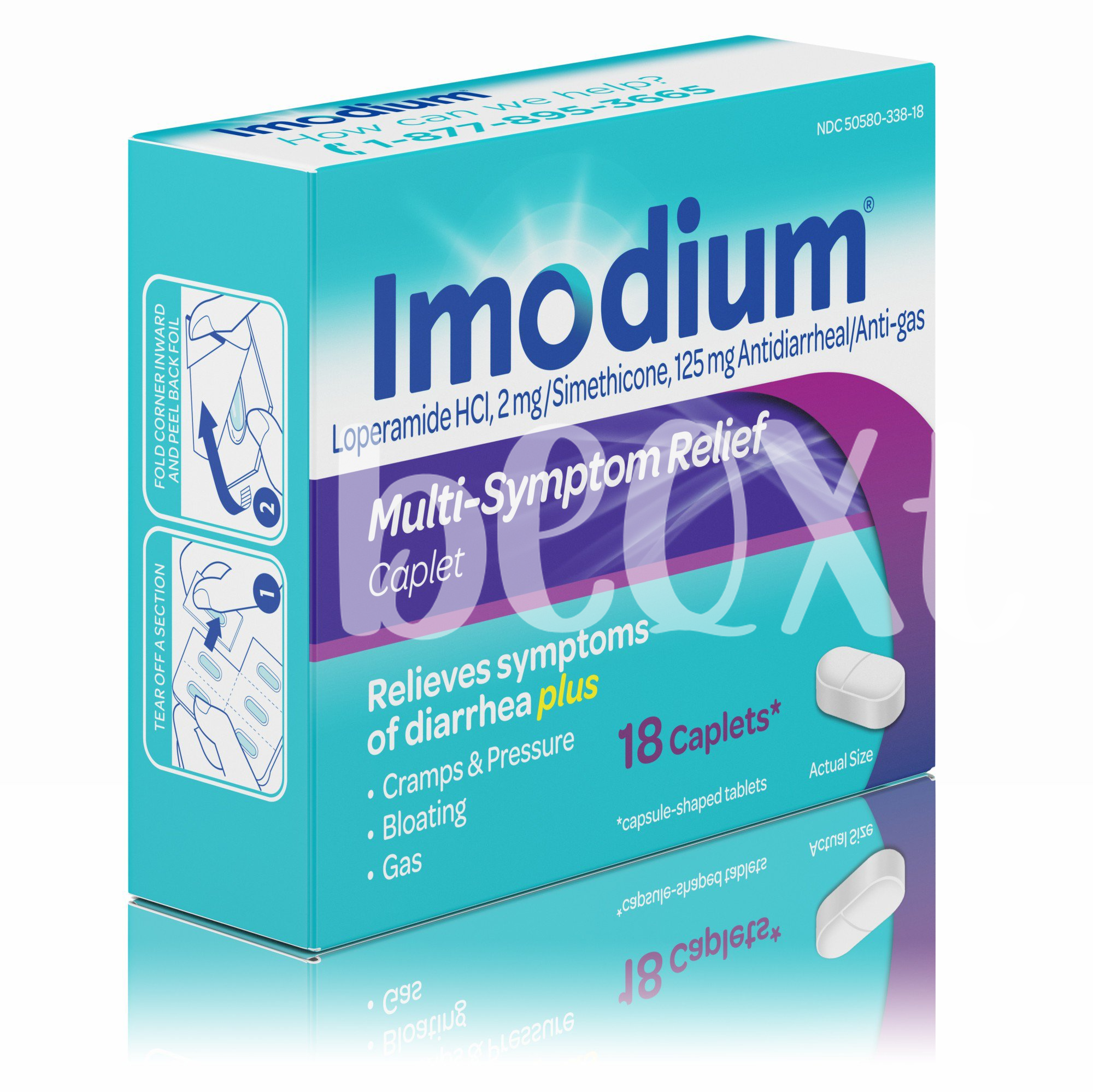
After you take Imodium, you may not feel an instant change, but the process begins fairly quickly. The medication starts acting in the gut within about an hour, helping calm the wave-like contractions that move stool through the intestines. For many people, that first sign of relief is a slower trip to the bathroom and a little less urgency.
As the dose continues to work, stools often become more formed over the next few hours. The exact timing can vary depending on how severe the diarrhea is, whether you have eaten, and how your body responds to imodium.
If symptoms are mild, improvement may appear sooner; if they are intense, it can take longer. Watching for gradual progress helps set realistic expectations and prevents taking extra doses too soon.
Common Mistakes That Reduce Imodium’s Effect
Taking imodium with a heavy, greasy meal can slow its action and make relief feel delayed. Some people also wait too long and keep losing fluids, which can leave the gut more irritated. In a sudden rush of diarrhea, timing matters because the body is already under stress.
Another mistake is using more than the label recommends. That does not work faster; it can raise the risk of side effects. Mixing imodium with certain medicines without checking first may also blunt its benefit or create problems.
For best results, follow the dosing instructions closely and sip water or electrolytes so your body stays balanced.
| Tip | Why it helps |
| Correct dose | Avoids side effects |
Safety Tips before Using Imodium Quickly
Before taking Imodium, it helps to pause and check the cause of the diarrhea. If you have a fever, blood in your stool, severe belly pain, or signs of dehydration, seek medical advice first, because slowing the gut may mask a more serious illness. It is also wise to read the label carefully and avoid using it longer than recommended. NCBI Bookshelf
For fast relief, follow the dose exactly and do not exceed the daily maximum. Imodium can interact with some medicines, so ask a pharmacist if you take antibiotics, antifungals, or heart drugs. Keep drinking fluids, since rehydration matters just as much as symptom control. MedlinePlus