

To Buy Ivermectin Online Visit Our Pharmacy ↓
 Ivermectin and Parasite Treatment: Key Applications
How Ivermectin Targets Common Parasitic Invaders
Ivermectin works by slipping into the parasites’ nervous system and muscle signaling, where it amplifies the effects of inhibitory neurotransmitters. This sudden overactivation paralyzes the invader, making it unable to feed, move, or hold on inside the body.
For many worms and external parasites, that disruption is enough to stop the infection from progressing. As the parasite loses control of its body functions, the immune system and natural cleansing processes can clear it more effectively.
| Effect | Result |
| Nerve signaling disruption | Paralysis of the parasite |
| Loss of movement | Reduced survival and spread |
Major Parasites Ivermectin Is Commonly Used Against
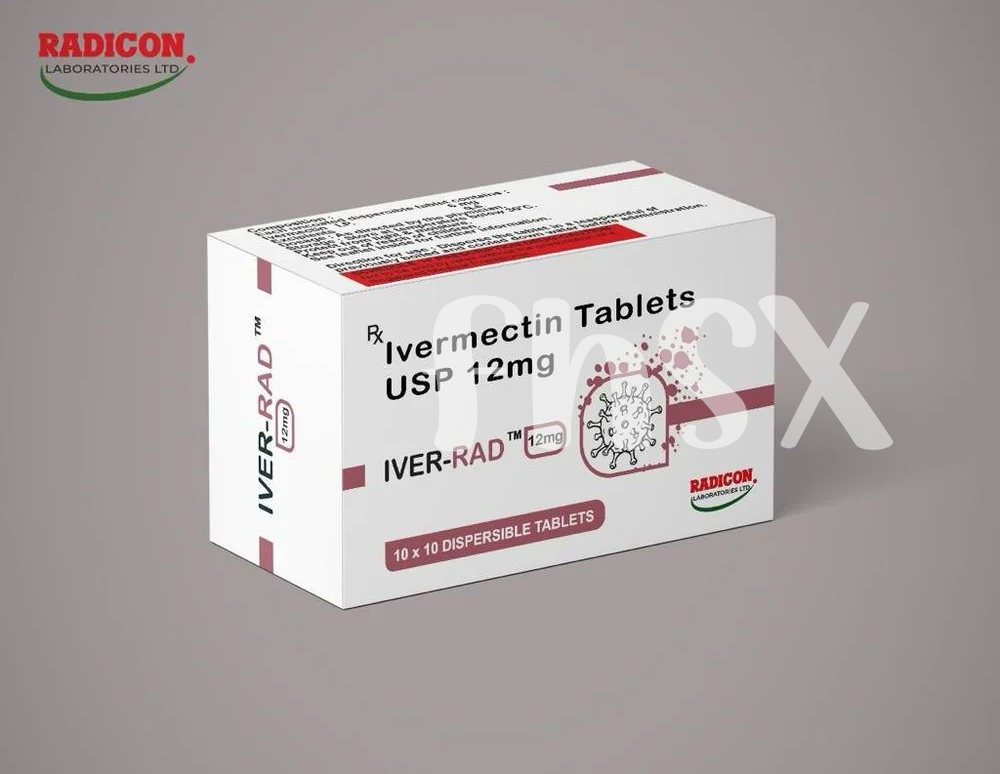
Ivermectin is widely recognized for its role against several troublesome parasites that affect both people and animals. It is often used to treat infections caused by roundworms, especially those that live in the intestines or migrate through body tissues. Its action can bring relief when these hidden invaders would otherwise continue causing damage.
The medicine is also commonly prescribed for strongyloidiasis, a persistent worm infection that can become serious if left untreated. In some regions, ivermectin is an important option for river blindness, where it helps reduce the burden of microscopic worms spread by blackflies. These uses show why it remains a trusted antiparasitic tool.
In certain cases, doctors may also use it for scabies or lice, where tiny parasites trigger intense itching and discomfort. Because each infection behaves differently, the choice depends on the parasite involved, the patient’s condition, and how quickly treatment is needed.
When Doctors Choose Ivermectin over Other Treatments
Doctors may turn to ivermectin when a parasite is known to respond well to it and the infection needs a treatment that is simple, reliable, and widely available. It is often favored for conditions such as strongyloidiasis or certain worm infestations, especially when quick action matters and the drug’s long record of use supports the choice.
The decision also depends on the patient’s health, the type of parasite, and local treatment guidelines. In some cases, ivermectin is chosen because it can work with fewer doses than alternatives, making care easier to complete. Physicians weigh its benefits against other medicines to find the safest, most effective path for each person.
Dosage, Safety, and Treatment Duration Basics
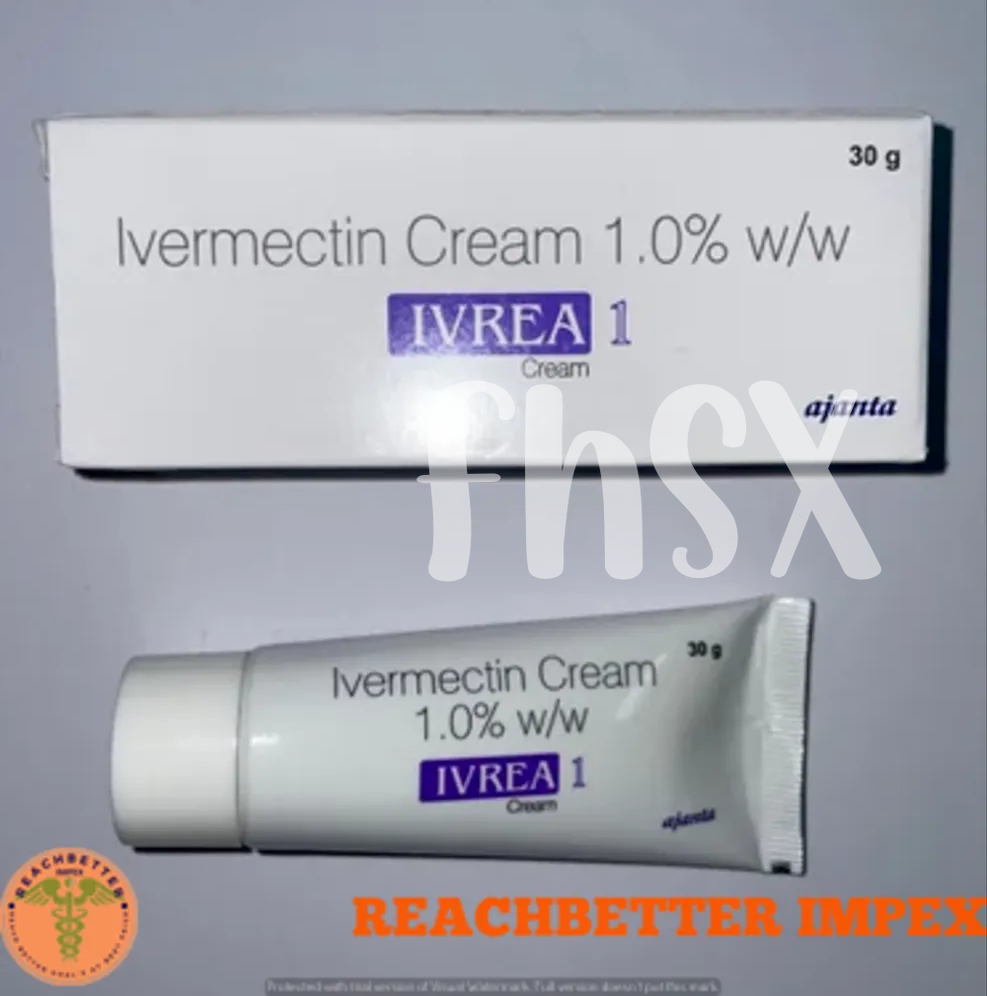
Ivermectin is usually prescribed in a weight-based dose, so the right amount depends on the infection being treated and the patient’s overall health. Doctors often tailor the plan carefully, because even a familiar medicine works best when matched to the situation.
For many parasitic infections, treatment may be a single dose, while others require a repeat dose after several days or weeks. The schedule matters as much as the medicine itself, since timing helps stop surviving parasites from rebuilding an infection.
Patients should take ivermectin exactly as directed, with water and without changing the dose on their own. Food instructions may vary by product, so it is wise to follow the label or pharmacist advice closely.
Most people tolerate treatment well, but checking for interactions and special conditions is important. Children, pregnant patients, and those with liver issues may need extra caution. A clinician’s guidance keeps treatment effective and helps avoid unnecessary risks.
Side Effects and Precautions Patients Should Know
Ivermectin can be highly effective, but like any medicine, it may cause unwanted reactions in some people. Mild symptoms such as dizziness, nausea, diarrhea, or tiredness are among the most commonly reported, and they often fade as the body adjusts.
In rare cases, more serious effects can appear, especially when the medication is taken incorrectly or without medical guidance. Patients may notice rash, swelling, fast heartbeat, or unusual weakness, which should never be ignored.
| Common Reaction | What to Do |
|---|---|
| Dizziness | Rest and avoid driving |
| Nausea | Take with guidance |
Before starting ivermectin, doctors also consider pregnancy, liver problems, and other medicines that could interact with treatment. A careful review helps reduce risk and keeps parasite care both safer and more effective.
Global Impact of Ivermectin in Parasite Control
Across many regions, ivermectin has become a practical tool in the fight against parasitic disease, especially where access to advanced medical care is limited. Its low cost, broad availability, and proven effectiveness have helped health programs reduce the burden of infections that once caused chronic illness, blindness, and impaired childhood development. In community campaigns, it has played a major role in improving public health on a large scale.
What makes its impact especially powerful is that it supports both individual treatment and prevention efforts. When used through coordinated public health strategies, ivermectin can interrupt transmission cycles and protect entire populations from reinfection. This has made it an important part of parasite control efforts in many parts of the world, particularly in tropical and underserved areas.