

To Buy Lasix Online Visit Our Pharmacy ↓
 Lasix Interactions: Medicines and Foods to Avoid
Why Lasix Interactions Can Turn Risky Fast
Lasix can work quickly, which is helpful for swelling and blood pressure, but that speed also makes interactions more dangerous. When another medicine or food changes how your body handles it, the effect can shift fast, sometimes within hours.
A simple mix-up may push blood pressure too low or make you lose too much water and salt. That can leave you dizzy, weak, cramping, or even confused, especially if you are already ill, older, or taking several prescriptions.
| Risk | What can happen |
|---|---|
| Too much fluid loss | Dehydration, low blood pressure |
| Electrolyte changes | Cramping, irregular heartbeat |
| Drug interactions | Stronger side effects or reduced benefit |
That is why careful attention matters from the first dose. A seemingly harmless product can turn a routine treatment into an urgent problem if it changes kidney function, potassium levels, or overall fluid balance.
Common Prescription Drugs That May Clash
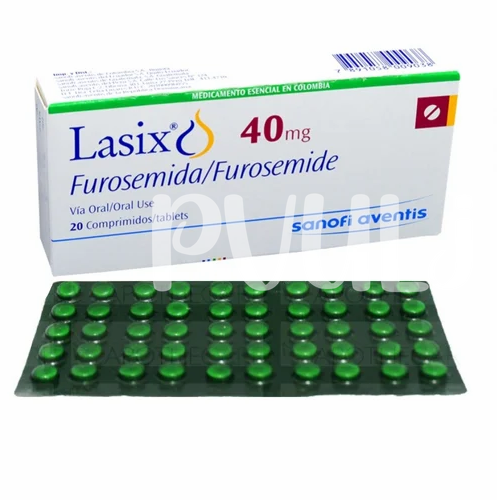
Some prescription medicines can make lasix more powerful than intended, pushing the body toward dehydration, low blood pressure, or dangerous electrolyte loss. This risk is especially important with other diuretics, since the combined effect can be intense and unpredictable.
Certain blood pressure drugs, like ACE inhibitors or ARBs, may also interact with lasix and cause dizziness or a sudden drop in pressure. Lithium is another concern because lasix can raise its levels in the blood, increasing the chance of toxicity.
NSAIDs, including some pain medicines, may weaken lasix’s effect and strain the kidneys. If you take heart, kidney, or mental health medications, a careful review with your doctor can help prevent serious problems.
Over-the-counter Medicines to Watch Closely
Even everyday pills can complicate lasix treatment. Pain relievers like ibuprofen, naproxen, and aspirin may reduce its diuretic effect and strain the kidneys, especially if you already have heart or kidney issues.
Cold and allergy medicines deserve caution too. Decongestants such as pseudoephedrine can raise blood pressure, working against lasix when your body needs steadier fluid control.
Laxatives and antacids may also change electrolyte balance or affect absorption, making side effects harder to predict. Even “simple” products can matter when taken regularly.
Before using any OTC medicine, check with a pharmacist or clinician. A quick question can help prevent dizziness, dehydration, or a dangerous shift in potassium levels.
Foods and Drinks That May Interfere

With Lasix, even ordinary meals can change how the medicine works. A salty dinner may make the drug less effective, while skipping meals or eating very little can increase the chance of dehydration and dizziness. It is wise to keep sodium intake steady and follow your doctor’s advice on fluid balance, especially if you already have heart or kidney concerns.
Some drinks deserve extra caution too. Alcohol can worsen lightheadedness and lower blood pressure, and too much caffeine may add to fluid loss. Large amounts of grapefruit juice are not a classic Lasix problem, but any drink that leaves you more dehydrated can make side effects harder to handle.
Potassium-rich foods like bananas, oranges, and potatoes are often helpful, but only in the amount your clinician recommends. Lasix can lower potassium, so sudden diet changes may matter. If you notice cramps, weakness, or an unusually fast heartbeat, your food choices may be part of the reason.
Supplement Traps That Could Worsen Side Effects
Some supplements may seem harmless, but with Lasix they can quietly amplify side effects. Herbal products like licorice, ginseng, and stimulant “energy” formulas may affect blood pressure, hydration, or potassium levels, making dizziness, weakness, or irregular heartbeat more likely. Even magnesium or potassium products can be risky if they are taken without medical guidance, because the balance can shift too far in either direction when lasix is already changing fluid and mineral levels.
The safest approach is to treat every supplement as part of your medication list and check before starting anything new. A quick conversation with a pharmacist or clinician can prevent an avoidable reaction, especially if you already have heart, kidney, or blood pressure concerns.
| Supplement | Possible Issue |
|---|---|
| Licorice | May lower potassium |
| Ginseng | May affect blood pressure |
| Potassium | May cause imbalance |
Warning Signs You Should Never Ignore
If you’re taking Lasix, some reactions deserve immediate attention. Dizziness that leaves you unsteady, fainting, or a sudden racing heartbeat can signal your body is losing too much fluid or potassium too quickly. These changes may start quietly, then escalate fast.
Watch for swelling in the face, lips, or throat, trouble breathing, or a sudden rash, since these may point to a serious allergic reaction. Severe muscle cramps, confusion, extreme weakness, or very little urine can also mean the medication is affecting your kidneys or electrolyte balance.
If your vision becomes blurry, you feel unusually thirsty, or your mouth is dry and sticky, your levels may be off. Even a sharp drop in energy after standing up can be a clue that your blood pressure has fallen too low.
Do not wait these symptoms out. Contact a healthcare professional right away, and seek emergency help for breathing problems, fainting, or swelling. Acting quickly can prevent a manageable side effect from becoming a medical emergency.