

To Buy Lipitor Online Visit Our Pharmacy ↓
 Lipitor and Cholesterol: a Simple Connection
Understanding Cholesterol: the Basics That Matter
Cholesterol is a waxy, fat-like substance your body needs to build cells, make hormones, and support digestion. The story becomes important when too much of it circulates in the blood, because excess cholesterol can quietly collect in artery walls over time. That buildup may narrow the passageways that carry blood to the heart and brain, turning a hidden imbalance into a serious health risk. For many people, cholesterol becomes a number they hear at a checkup, but behind that number is a simple idea: balance matters.
| HDL | “Good” cholesterol |
| LDL | “Bad” cholesterol |
HDL helps remove extra cholesterol from the bloodstream, while LDL can contribute to plaque formation when levels are high. Triglycerides are another type of blood fat that can also affect heart health. Because cholesterol usually causes no symptoms, blood tests are the main way doctors spot problems early. Understanding these basics makes it easier to see why treatment matters before warning signs ever appear.
How Lipitor Lowers Bad Cholesterol Levels
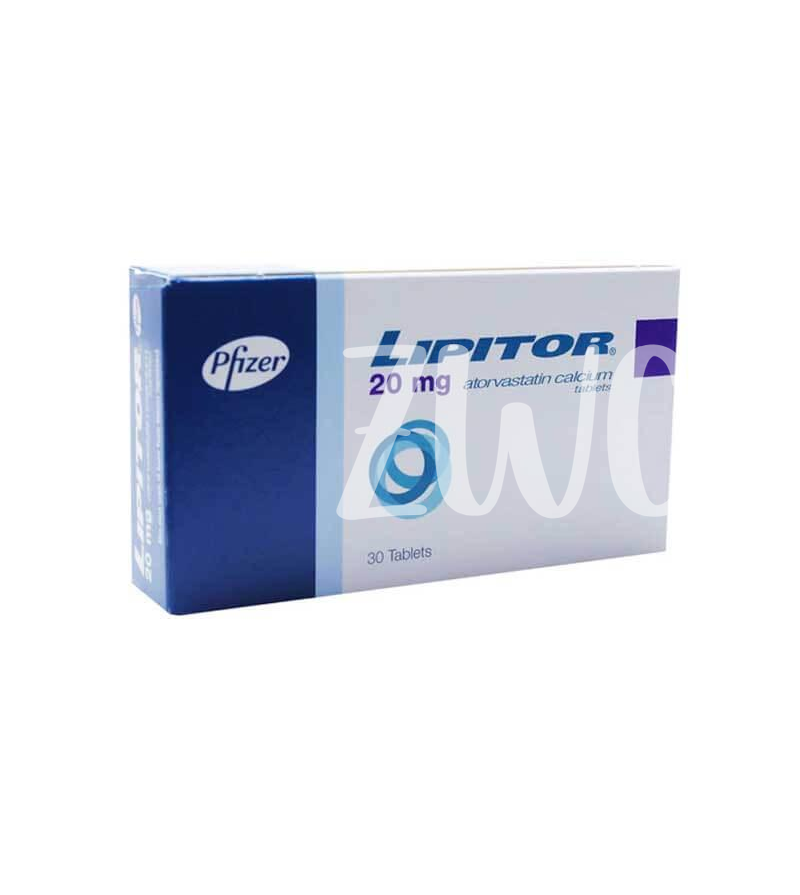
Lipitor works by blocking an enzyme in the liver that helps produce cholesterol, especially LDL, the “bad” kind that can build up in artery walls. When this process slows down, the liver pulls more LDL from the bloodstream, helping lower overall cholesterol levels. Over time, this can reduce plaque formation and support healthier blood flow.
For many people, lipitor becomes a steady partner in cholesterol management because it targets the source of excess LDL rather than just the symptoms. By reducing bad cholesterol efficiently, it helps lower cardiovascular risk and gives the body a better chance to maintain balanced lipid levels.
Why Doctors Prescribe Lipitor for Many Patients
Doctors often choose lipitor because it has a strong track record of helping lower LDL, the “bad” cholesterol that can quietly build up in the arteries. For many patients, especially those with heart disease risk factors, diabetes, or a family history of high cholesterol, this medication offers a reliable way to reduce future problems before they start.
It is also prescribed because it works well for a wide range of people and can be combined with healthy habits for better results. When diet and exercise alone are not enough, lipitor can provide the extra support needed to bring cholesterol closer to a safer level.
In busy clinical practice, doctors value treatments that are proven, practical, and easy to monitor. That is why lipitor remains a common choice in long-term care plans.
Common Benefits of Managing Cholesterol with Lipitor
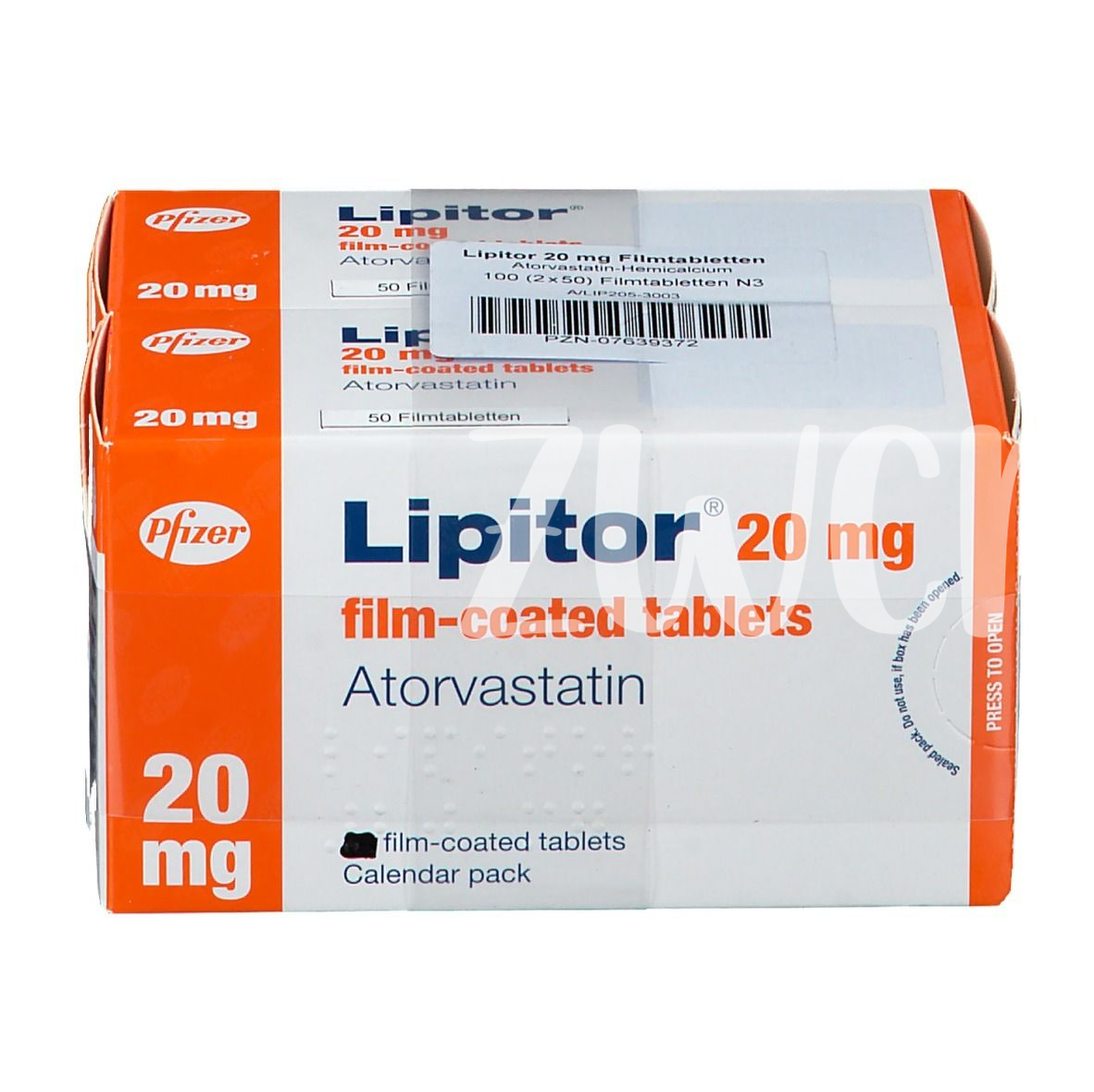
When cholesterol stays in check, the heart often feels the difference in quiet, practical ways. Lipitor can help lower LDL, the type linked to plaque buildup, while also making long-term lipid control easier for many patients.
That benefit matters because healthier numbers may reduce the strain on arteries over time. For some people, this means a lower chance of heart attack or stroke, especially when treatment begins before damage has progressed.
Managing cholesterol with lipitor can also bring peace of mind. Instead of worrying about every meal or lab result, patients often gain a clearer path forward, supported by a medicine that works alongside healthier habits.
The best results usually come from consistency. When lipitor is taken as prescribed, it can fit into a broader plan that helps protect the heart, supports confidence, and makes daily prevention feel more achievable.
Possible Side Effects and Safety Considerations
Lipitor is widely used, but like any medicine, it can bring side effects that deserve attention. Some people notice mild issues such as muscle aches, headache, nausea, or digestive discomfort, especially when starting treatment or adjusting the dose.
Most reactions are manageable, yet it is important to tell a doctor if symptoms feel unusual, persistent, or severe. Rarely, lipitor may affect the liver or lead to more serious muscle problems, so regular checkups and blood tests can help keep treatment safe.
Safety also depends on other medicines, supplements, and personal health history. Grapefruit products, certain antibiotics, and some heart drugs may interact with lipitor, changing how it works in the body.
| Safety tip | Why it matters |
|---|---|
| Report muscle pain | Helps detect rare complications early |
| Review other medicines | Prevents harmful interactions |
Lifestyle Habits That Support Lipitor Treatment
The best support for Lipitor often starts with everyday choices. A heart-friendly plate, filled with vegetables, fruit, whole grains, and lean protein, can help lower cholesterol naturally while the medication does its work.
Movement matters, too. Brisk walking, cycling, or even a daily stretch routine can improve circulation and boost overall heart health. Small, steady habits are easier to keep than dramatic changes.
It also helps to limit smoking and keep alcohol moderate, since both can interfere with long-term cholesterol control. Regular checkups give your doctor a chance to track progress and adjust treatment if needed.
Just as important, take Lipitor exactly as prescribed and pair it with consistent sleep and stress management. When healthy routines and medication work together, the result is a stronger, more reliable path toward better cholesterol control.