

To Buy Mobic Online Visit Our Pharmacy ↓
 Mobic Side Effects: What You Should Know
Common Mobic Side Effects You May Notice
Mobic can ease pain and inflammation, but some people notice mild side effects as their body adjusts. These may include stomach discomfort, nausea, dizziness, headache, or mild swelling in the hands or feet. For many, the symptoms are noticeable but manageable, especially when the medicine is taken exactly as directed with food and plenty of water.
You might also feel a bit tired or experience changes in digestion, such as constipation or diarrhea. Most of these reactions are temporary and tend to fade as your system gets used to the medication, though they should still be watched closely.
| Common effect | What it may feel like |
|---|---|
| Stomach upset | Nausea, pain, or indigestion |
| Dizziness | Lightheadedness or unsteadiness |
Serious Reactions That Need Immediate Attention
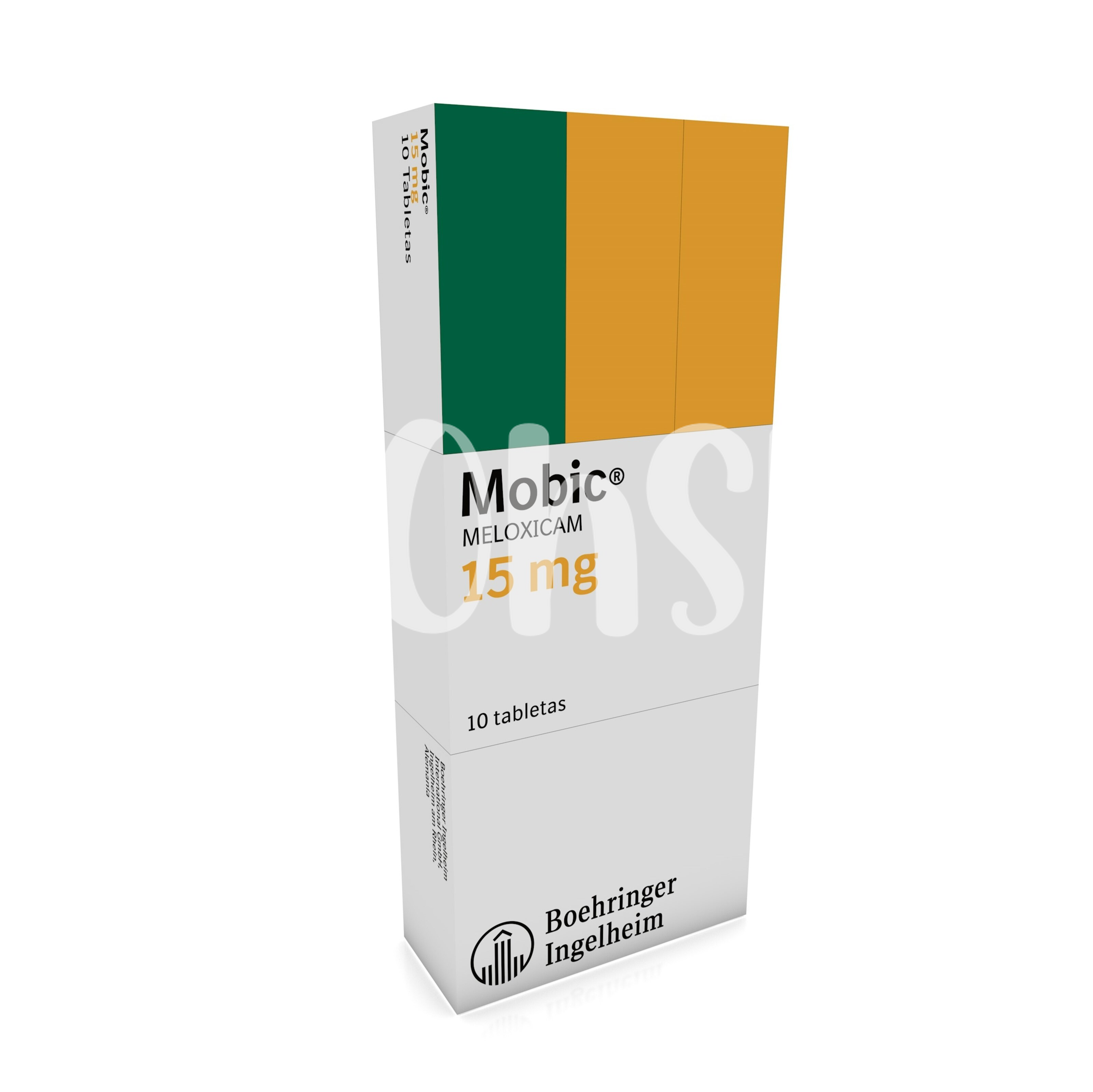
Mobic can cause rare but dangerous reactions that should never be ignored. If you notice chest pain, trouble breathing, sudden weakness, slurred speech, or swelling of the face, lips, or throat, seek emergency help right away. These symptoms may point to a severe allergic reaction, heart problem, or stroke-like event. Black or bloody stools, vomiting blood, or severe stomach pain are also warning signs of internal bleeding and need urgent medical attention.
Other red flags include a sharp drop in urine, yellowing of the skin or eyes, and a rash with blisters or peeling skin. These may signal kidney, liver, or skin reactions that can worsen quickly. Even if symptoms seem mild at first, they can escalate fast. When mobic triggers any of these reactions, stopping the medicine and contacting a doctor immediately is the safest choice.
Who Faces Higher Risk from Mobic
Older adults often feel the effects of mobic more strongly because the body may clear the medicine more slowly. This can raise the chance of stomach bleeding, kidney strain, or blood pressure changes.
People with a history of ulcers, heart disease, kidney problems, or liver issues should be extra careful. The same goes for anyone taking blood thinners, diuretics, steroids, or other NSAIDs, since combinations can increase risk.
Dehydration can also make mobic harder to tolerate, especially during illness, heavy exercise, or hot weather. Even small changes in fluid balance may affect kidney function and worsen side effects.
If you already manage chronic health conditions, talk with a healthcare professional before starting mobic. A careful review of your medications and medical history can help prevent avoidable complications.
How Mobic Side Effects Affect Daily Life
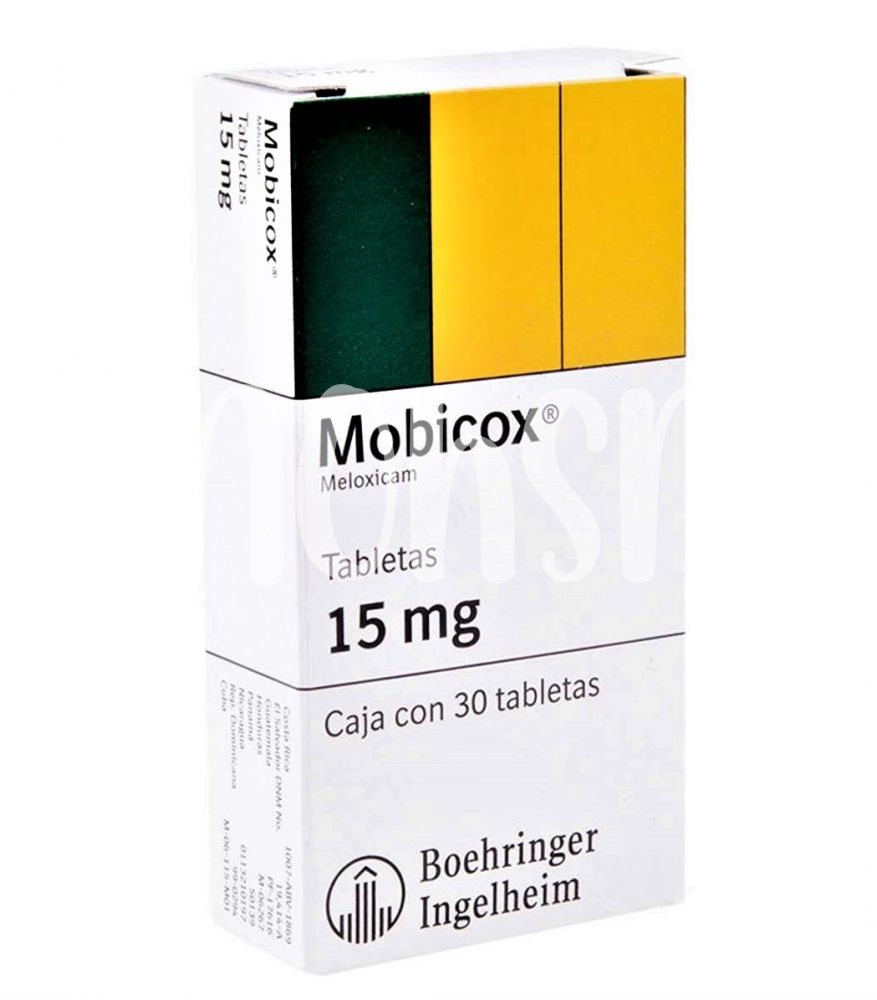
Mobic side effects can quietly shape the rhythm of a day. A person may start the morning with stiffness relief, then feel an upset stomach or mild dizziness that makes getting moving harder.
As the hours pass, fatigue or headache can affect focus at work, driving, or caring for family. Even simple tasks like climbing stairs or preparing meals may feel more tiring when mobic causes discomfort.
Some people notice swelling or changes in appetite, which can influence exercise, sleep, and overall energy. These small shifts may seem minor at first, but they can build into real frustration over time.
Paying attention to patterns matters. If side effects begin interfering with your routine, it is worth tracking when they happen and how severe they feel.
Tips to Reduce Mobic Side Effect Risks
Taking Mobic exactly as prescribed is the first shield against unwanted effects. Use the lowest dose that controls your pain, and avoid doubling up if you miss one. A steady routine, taken with food and a full glass of water, can ease stomach irritation and help your body handle mobic more comfortably.
Be careful with other medicines that can raise risk, especially aspirin, ibuprofen, naproxen, blood thinners, or certain antidepressants. Your doctor or pharmacist can spot unsafe combinations before they become a problem. If you have kidney issues, high blood pressure, or a history of ulcers, ask whether extra monitoring is needed.
| Simple habit | Why it helps |
| Take with food | May reduce stomach upset |
| Stay hydrated | Supports kidney function |
| Avoid alcohol | Lowers irritation and bleeding risk |
Pay attention to your body and act early if something feels off. Mild nausea or dizziness may fade, but swelling, black stools, or trouble breathing need prompt medical advice.
When to Talk to Your Doctor about Mobic
If Mobic is helping your pain but you notice stomach discomfort, dizziness, swelling, or unusual fatigue, it may be time to check in with your doctor. Even mild symptoms can matter if they linger or seem to get worse. A quick conversation can help confirm whether the medicine is still right for you or if a safer option makes more sense.
You should also reach out if you take blood thinners, diuretics, or other prescription drugs, since interactions can raise the chance of side effects. People with a history of ulcers, heart problems, kidney disease, or asthma should be especially cautious.
Don’t wait for symptoms to become severe. If you experience chest pain, black stools, shortness of breath, or sudden swelling, seek medical help right away.