

To Buy Prograf Online Visit Our Pharmacy ↓
 Prograf Monitoring: Essential Blood Test Guidelines
Why Prograf Blood Levels Matter
Prograf blood levels act like a quiet warning system, helping clinicians see whether tacrolimus is doing its job without drifting into unsafe territory. Too little may leave a transplanted organ exposed to rejection, while too much can strain the kidneys, raise blood pressure, or cause tremors. Regular monitoring turns a powerful medicine into a more predictable tool, giving patients and doctors a clearer picture of how the body is responding over time.
Because tacrolimus can be affected by food, other medicines, and even small changes in health, a single dose does not tell the full story. Blood tests reveal the actual level circulating in the body, making it possible to fine-tune treatment before problems appear. This careful balance helps protect the transplant while reducing avoidable side effects, which is why consistent testing is so important.
| Key point | Blood levels show whether Prograf is effective and safe |
Timing Your Tests for Accurate Results
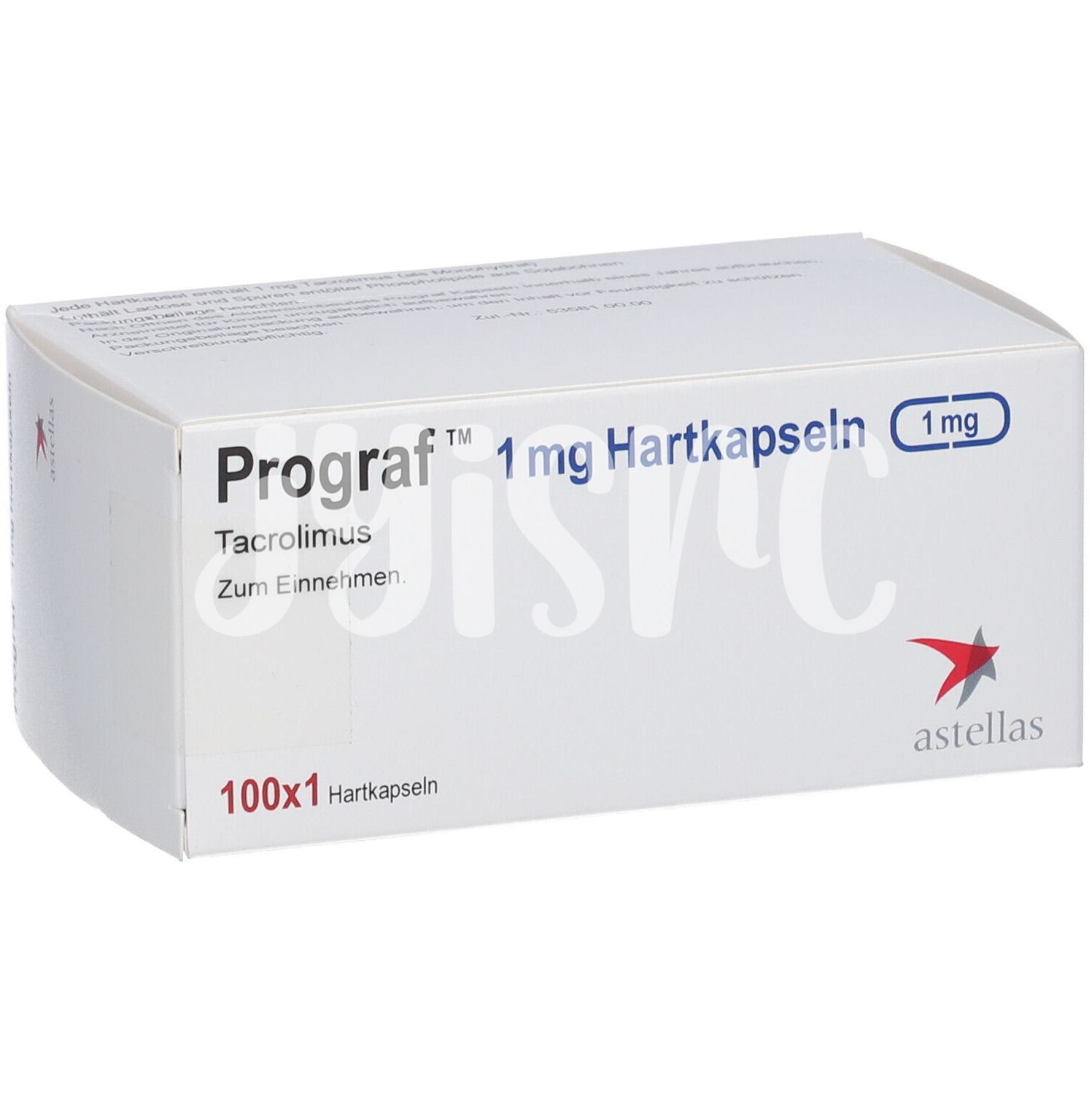
Getting the timing right can make a Prograf blood test far more meaningful. Because tacrolimus levels rise and fall through the day, even a small delay can change the reading and affect your care plan.
Most clinics ask for a trough level, taken just before your next dose. That means you should keep your usual dosing schedule and let the lab know exactly when you last took prograf.
Consistency matters, too. Try to use the same laboratory, follow the same timing rules, and avoid taking a dose before the blood draw unless your team specifically instructs you otherwise.
When tests are scheduled accurately, your provider can compare results with confidence and adjust treatment based on a true picture of your medicine level.
Understanding Target Tacrolimus Ranges
Prograf is never managed by a single “one-size-fits-all” number. Tacrolimus targets vary by transplant type, time since surgery, and your personal risk of rejection or infection. Early after transplant, doctors often aim for higher blood levels to protect the new organ, then lower the range as healing stabilizes and the dose can be reduced safely.
Your care team may describe a target range in nanograms per milliliter, but the exact window depends on whether you received a kidney, liver, heart, or lung transplant. Other factors, including age, other medicines, liver function, and side effects, can shift the ideal goal. That is why prograf dosing is adjusted with careful follow-up rather than guesswork.
A level below target can leave the organ underprotected, while a higher result may increase tremors, kidney stress, or high blood pressure. The best approach is to treat each lab result as part of a larger clinical picture, not a stand-alone score.
Key Lab Values Beyond Drug Levels

When monitoring prograf, the tacrolimus level is only part of the picture. Kidney function tests, especially creatinine and BUN, help show whether the medicine is protecting the transplanted organ without stressing the kidneys. Liver enzymes, electrolytes, and magnesium also matter, since shifts in these values can signal toxicity, dehydration, or an early problem that needs attention.
A complete lab review gives your care team a clearer story than a single drug number can. If potassium rises or magnesium falls, the dose plan may need adjustment even when prograf levels look normal. Tracking these results over time helps catch complications early, support stable recovery, and keep treatment safer and more effective.
Avoiding Common Monitoring Mistakes
Prograf monitoring works best when each blood draw is treated like a careful checkpoint, not a rushed errand. One common mistake is taking the sample at the wrong time, which can make the level look higher or lower than it truly is. Missing doses, changing the schedule, or forgetting to note the exact time of the last capsule can also confuse results. A simple routine helps: take prograf consistently, record dosing times, and bring that information to every visit.
Another error is ignoring interacting medicines, supplements, or even new foods that may shift tacrolimus levels. Tell the care team about antibiotics, herbal products, and stomach remedies. It also helps to use the same lab whenever possible, so trends are easier to compare.
| Tip | Why it matters |
| Consistent timing | Improves accuracy |
| Report other drugs | Prevents false readings |
How Results Guide Safe Dose Adjustments
When tacrolimus results return, clinicians read them like a map, comparing the number with your transplant type, current symptoms, and recent changes in health. A level below target may mean the body is underprotected, so the dose is carefully increased, often in small steps, to avoid sudden shifts. If the level is higher than expected, the dose may be reduced or held briefly to lower the risk of kidney strain, tremors, headaches, or other toxic effects.
These decisions are never based on one lab value alone. Doctors also review creatinine, liver tests, and any new medicines that could raise or lower tacrolimus. Rechecks are usually scheduled soon after an adjustment, helping confirm that the new dose is working safely and keeping rejection risk low while minimizing side effects.