

To Buy Promethazine Online Visit Our Pharmacy ↓
 Promethazine and Motion Sickness Relief Explained
What Promethazine Is and How It Works
Promethazine is a prescription antihistamine that has long been used to calm nausea, motion sickness, allergies, and even short-term anxiety before surgery. Though it began as an allergy medicine, its calming effect on the brain made it useful for people who feel sick while traveling. By reducing signals linked to vomiting and spinning sensations, it helps the body stay steadier during car rides, flights, or boat trips.
It works by blocking histamine, a chemical that can trigger symptoms in the inner ear and brain. Promethazine also has a mild sedating effect, which can make discomfort feel less intense. Many people notice relief when the medicine starts to quiet the nervous system, especially when motion and balance signals do not match.
| Key action | Blocks histamine and calms nausea-related signals |
Why Motion Sickness Happens on the Move

Your body expects the world to stay still, but travel tells a different story. When a car turns, a boat rocks, or a plane lifts and drops, your inner ear senses motion that your eyes may not fully match. That conflict can make the brain feel confused, and nausea often follows.
The problem starts in the balance system, where signals from the eyes, muscles, and vestibular organs are supposed to agree. During movement, they can send mixed messages instead. Your brain reads this mismatch as a warning, which is why you may feel dizzy, sweaty, or uneasy.
Some people notice symptoms within minutes, while others only feel them on longer trips. Reading, looking down at a phone, or sitting in a poorly ventilated seat can make it worse. In these moments, promethazine may be used to help calm the body’s response.
Motion sickness is not a weakness; it is simply a sensory overload. Understanding the trigger can make travel feel easier, because prevention often begins with knowing why the body reacts this way.
How Promethazine Eases Nausea and Dizziness
Promethazine helps quiet the body’s alarm system, easing the signals that trigger nausea and spinning sensations. By calming the brain’s response to motion, it can make a rough car ride, boat trip, or flight feel more manageable.
As the inner ear sends mixed messages during travel, promethazine reduces the brain’s sensitivity to those conflicting cues. That helps lessen the queasy wave that often comes before vomiting and can also reduce dizziness.
Its sedating effect may further steady symptoms, allowing the body to settle instead of reacting to every bump or turn. For many people, this means less discomfort and a better chance to keep moving.
Used correctly, promethazine can be a practical option when motion sickness is strong. It works best before symptoms fully build, giving the medicine time to help the body stay balanced.
Best Times to Take Promethazine Safely
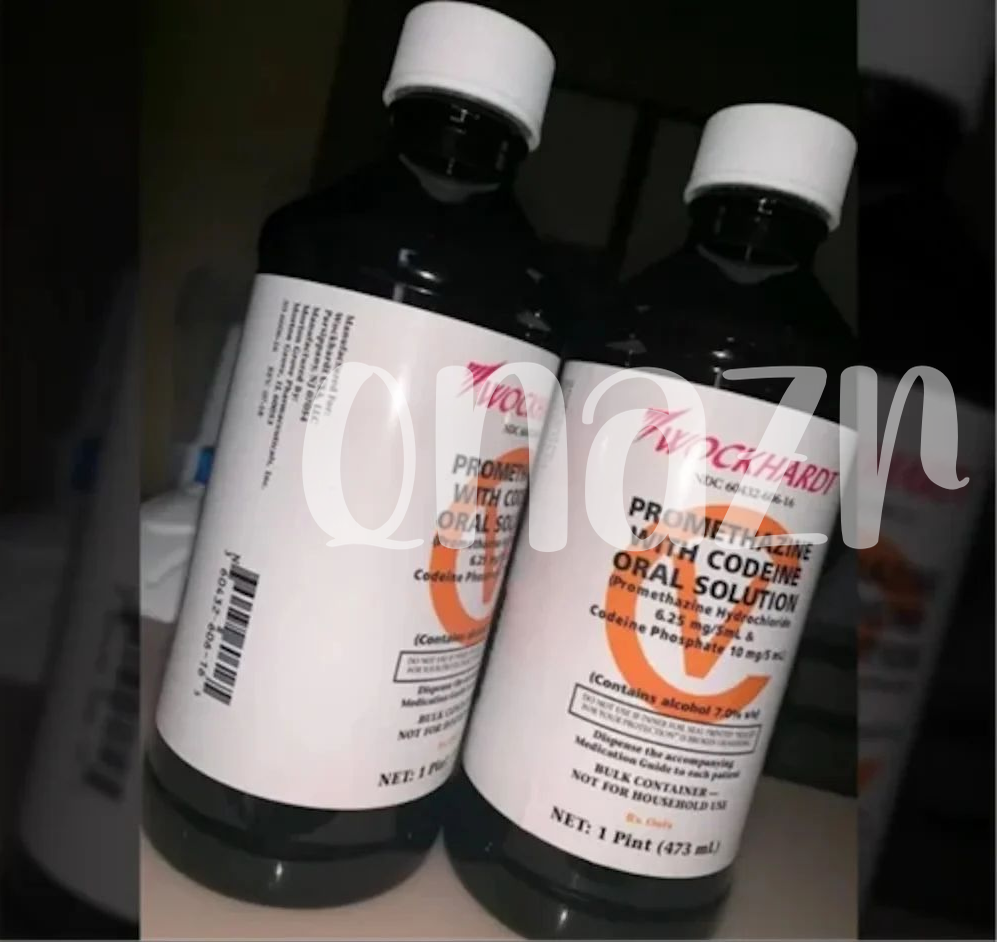
Promethazine is usually taken before travel begins, not after nausea has already peaked. For many people, taking it 30 to 60 minutes before a car ride, flight, or boat trip gives the body time to absorb it and helps prevent symptoms from building.
This timing matters because motion sickness often starts with early signals like a light stomach flutter, cool sweat, or a spinning feeling. If promethazine is taken too late, relief may come slowly, while taking it in advance can make the trip feel calmer from the start.
It is safest to follow the dose and schedule recommended by a doctor or pharmacist, especially if you are traveling with children, older adults, or anyone sensitive to drowsiness. Promethazine can make you sleepy, so avoid driving or mixing it with alcohol.
For longer journeys, some people plan their dose around the most intense part of the trip, such as winding roads or rough seas. A little preparation can make promethazine work more effectively and keep the ride manageable.
Common Side Effects and Important Warnings
Promethazine can bring welcome relief, but it may also cause drowsiness, dry mouth, blurred vision, or constipation. Some people feel lightheaded or notice slower reactions, especially soon after a dose. These effects are usually mild, yet they can matter when you are driving, working, or trying to stay alert.
Take extra care if promethazine makes you unusually sleepy or confused. Alcohol, sleeping pills, and other sedating medicines can intensify this effect. Standing up too quickly may also lead to dizziness, so moving slowly can help.
| Warning | Why it matters |
| Severe sleepiness | May affect safety and coordination |
| Breathing trouble | Needs urgent medical attention |
Seek medical advice if side effects become strong, last longer than expected, or feel different from the usual promethazine response.
Comparing Promethazine with Other Relief Options
Promethazine often stands out when motion sickness is severe because it can calm nausea, dizziness, and vomiting at the same time. Compared with ginger, wrist bands, or simple rest, it works more directly on the brain’s vomiting center, which may bring stronger relief for some travelers.
Still, it is not always the easiest choice. Unlike nonprescription remedies, promethazine can cause drowsiness, so driving or operating equipment afterward is risky. For milder trips, less sedating options may be enough, but for rough seas or long car rides, its effect can be valuable.
A practical approach is to match the remedy to the journey and your sensitivity. Some people do well with lifestyle changes first, while others need medication before symptoms start. Read more at NCBI and MedlinePlus.