

To Buy Robaxin Online Visit Our Pharmacy ↓
 How Robaxin Helps Relieve Muscle Spasms
Understanding Muscle Spasms and Their Triggers
A muscle spasm can feel like a sudden knot that grips the body without warning, turning a simple movement into a sharp reminder that something is wrong. These involuntary contractions happen when a muscle tightens and refuses to relax, often causing pain, stiffness, or even brief immobility. While the sensation may pass quickly, it can leave behind lingering soreness and frustration.
Spasms often develop after overuse, dehydration, poor posture, or an awkward twist during exercise or daily activity. Sometimes, stress and fatigue make muscles more reactive, especially in the neck, back, and legs. The body may also respond this way after an injury, as muscles tighten to protect the area.
| Common triggers | Examples |
| Physical strain | Lifting, sports, repetitive motion |
| Lifestyle factors | Dehydration, stress, poor sleep |
| Body mechanics | Poor posture, sudden movement, injury |
How Robaxin Works Inside the Body
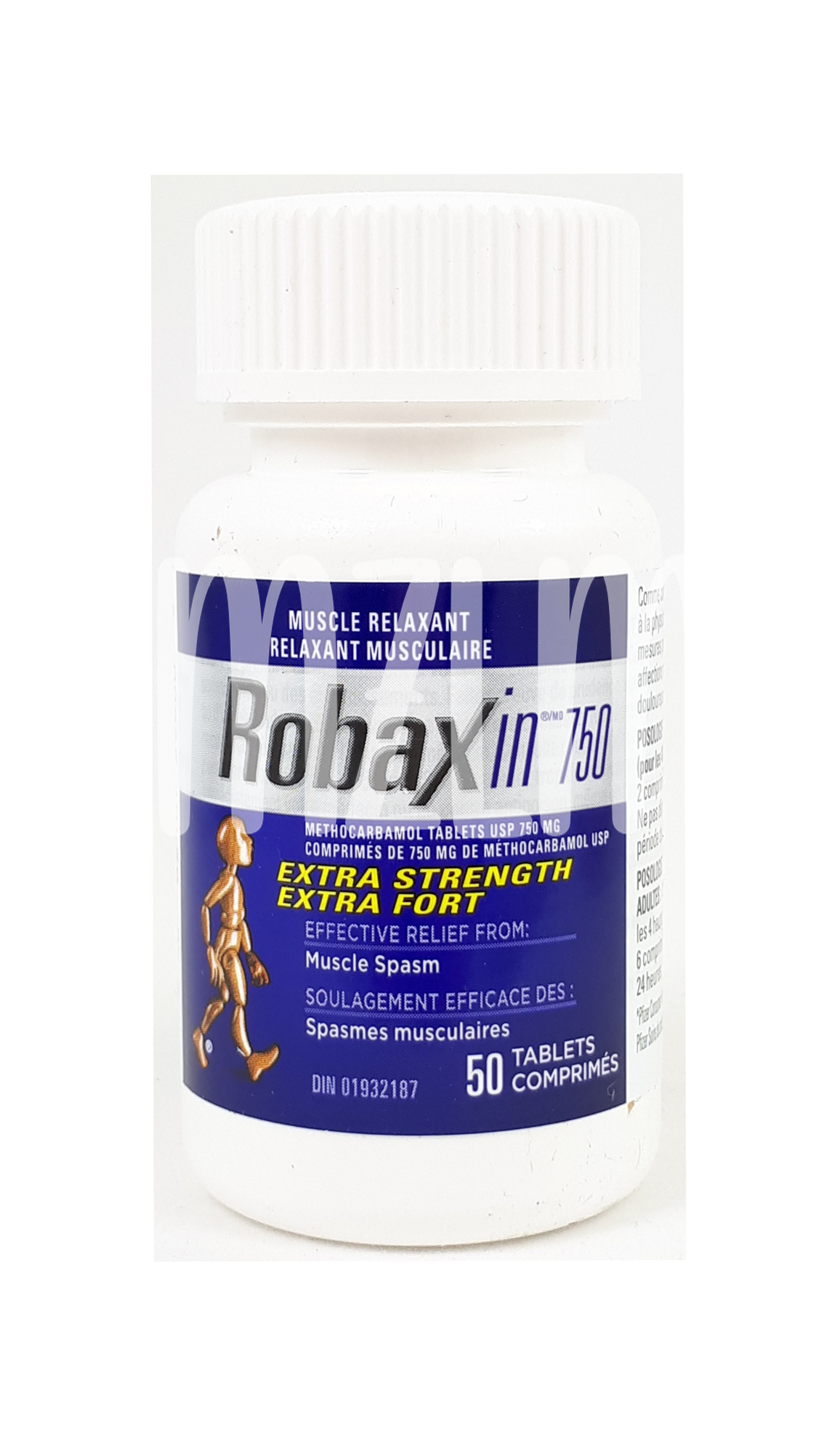
Robaxin works by calming the nervous system’s overactive signals that can keep muscles locked in a painful squeeze. Instead of acting directly on the muscle, it helps interrupt the chain of messages traveling from the brain and spinal cord, allowing tense fibers to relax more naturally.
As those signals quiet down, the body can ease out of the protective tightening that often follows an injury or strain. This gives robaxin a practical role in breaking the cycle of spasm, discomfort, and restricted movement that can make simple tasks feel exhausting.
Many people notice that the medicine does not erase the cause of the problem, but it can make recovery more manageable. By reducing the intensity of involuntary contractions, robaxin creates space for rest, gentle movement, and other treatments to work more effectively.
In that way, it supports the body’s own healing process rather than replacing it. The result is often a calmer, less painful path back to normal motion, especially when muscle spasms are keeping someone stuck in a loop of tension and pain.
Fast Relief for Painful Muscle Tightness
When a muscle locks up unexpectedly, the pain can feel immediate and overwhelming. Simple movements like turning, standing, or reaching may become difficult, and the tightness often seems to spread across the area, adding more discomfort. In these moments, people want relief that works quickly and helps them regain control of their day.
Robaxin is often used to ease this kind of painful tension by calming the muscle spasms that keep the area clenched. It does not directly heal the injury, but it can reduce the strain caused by repeated tightening, making it easier to rest and recover.
As the muscles begin to relax, many people notice less pulling, less stiffness, and improved comfort with movement. This faster relief can make a real difference, especially when pain is interfering with sleep, work, or everyday tasks.
Common Situations Where Robaxin Is Used
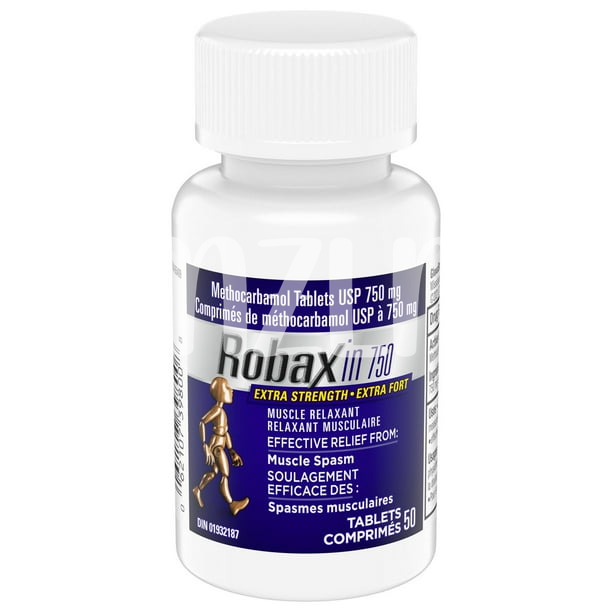
Robaxin is often prescribed when muscle spasms follow a sudden strain, awkward movement, or minor injury. It can be especially helpful after a back sprain, neck stiffness, or a pulled muscle that makes even simple tasks feel difficult. In these situations, the goal is to calm the tight, involuntary contractions so the body can move more comfortably while healing begins. Robaxin may also be used alongside rest, heat, and physical therapy when pain and stiffness are interfering with daily life.
Doctors may recommend robaxin after repetitive overuse, such as long hours of lifting, sports training, or prolonged poor posture at a desk. It can also support recovery when spasms develop after an accident or other acute musculoskeletal problem. By easing that persistent clenching sensation, robaxin helps people return to normal movement with less discomfort and frustration.
Possible Side Effects and Safety Considerations
Robaxin can be helpful, but like any medicine, it may cause unwanted effects in some people. Drowsiness, dizziness, blurred vision, and an upset stomach are among the most common complaints, so it is wise to avoid driving or using heavy machinery until you know how your body responds. Some people may also feel lightheaded when standing up quickly, especially if they are already tired, dehydrated, or taking other medications that affect the nervous system.
Safety matters most when robaxin is combined with alcohol, sedatives, or certain pain medicines, because these can increase side effects. People with liver disease, kidney problems, or a history of allergies should discuss their medical history with a clinician before starting treatment.Possible effect What to watch for Drowsiness Sleepiness or slowed reaction time Dizziness Feeling unsteady or faint Nausea Stomach discomfort or vomiting
Tips for Using Robaxin Effectively
Robaxin works best when it is taken exactly as prescribed, since steady use helps keep muscle tightness from interrupting recovery. Pairing each dose with rest, gentle stretching, and enough water can make the medicine feel more effective while reducing strain on sore muscles. MedlinePlus NHS
It also helps to avoid alcohol and other sedating medicines unless a clinician says they are safe, because Robaxin may cause drowsiness and slower reactions. If you need to drive or work, first see how your body responds, especially during the initial doses. NCBI FDA Label
For the smoothest results, keep a simple schedule, take it with food if stomach upset occurs, and report persistent pain, weakness, or unusual symptoms to your doctor. That way, treatment stays both practical and safe. MedlinePlus NHS