

To Buy Symbicort Online Visit Our Pharmacy ↓
 Symbicort Side Effects: Common Risks and Warning Signs
Understanding Symbicort Side Effects and Safety
Symbicort is often prescribed to help keep breathing under control, but like any medicine, it can bring side effects. Most people tolerate it well, especially when used exactly as directed, yet it is still important to know what to expect. Safety depends on using the right dose, avoiding extra inhalations, and telling your doctor about other medicines you take.
Some effects are mild and short-lived, such as throat irritation, hoarseness, or a shaky feeling after inhaling. These symptoms may settle as your body adjusts. In a simple sense, the medicine is doing its job while your body learns to respond to it.
| Type | What it may feel like |
| Mild | Dry mouth, tremor, hoarseness |
| Serious | Chest pain, worsening breathing, fast heartbeat |
The key is paying attention to changes. If symptoms grow stronger, appear suddenly, or seem unusual, they should not be ignored. Understanding the balance between benefit and risk helps you use Symbicort more safely and confidently.
Common Side Effects You Might Notice Early
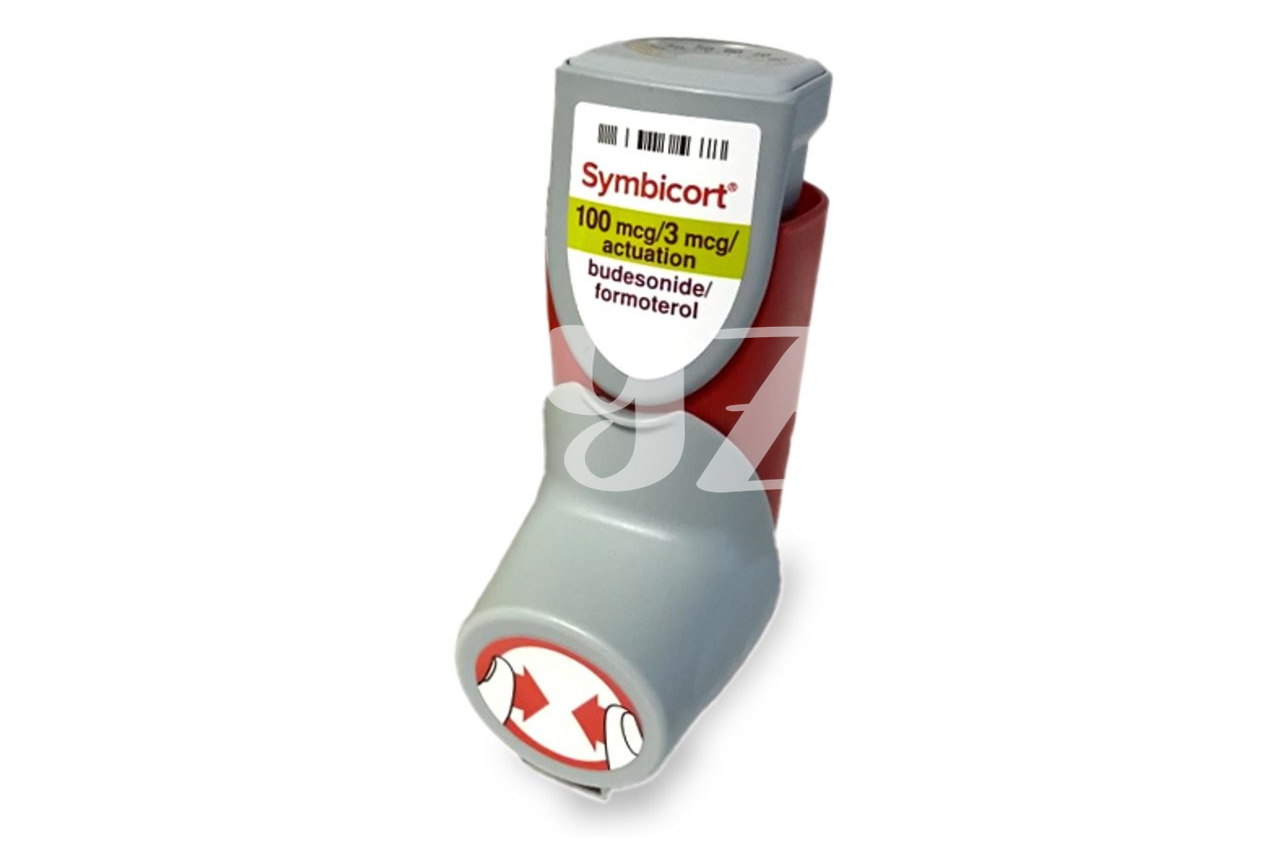
When people start using symbicort, they may notice mild changes within the first few doses. A slightly hoarse voice, a dry mouth, or a tickling throat can appear as the medicine begins working. These effects are usually manageable and may fade as the body adjusts.
Some people also report a cough after inhaling the medication, or a strange taste in the mouth. Headache and a shaky feeling can happen too, especially if the dose is new or taken incorrectly. While these symptoms can be annoying, they are often short-lived.
Rinsing the mouth after each use may help reduce irritation and lower the chance of throat discomfort. Using the inhaler exactly as prescribed can also make early side effects less noticeable. Small habits like these often improve comfort.
Even mild reactions are worth watching. If symptoms become persistent, stronger, or start interfering with daily life, it may be a sign to review technique or treatment with a doctor.
Serious Warning Signs That Need Attention
Some Symbicort side effects are more than a nuisance. If wheezing suddenly gets worse, breathing feels tighter, or your rescue inhaler is not helping, treat it as a warning sign. Chest pain, a fast or irregular heartbeat, or severe dizziness can also suggest your body is reacting badly and needs prompt medical review.
Allergic reactions are another concern. Swelling of the face, lips, tongue, or throat, hives, or trouble swallowing may develop quickly and can become dangerous. In rare cases, symbicort may also trigger vision changes, fainting, or unusual muscle weakness, especially if doses are high or used incorrectly.
Do not ignore symptoms that feel dramatic, new, or rapidly worsening. Call emergency services if breathing is difficult or swelling appears. Quick action can prevent a minor reaction from becoming a serious medical problem, and it helps your doctor adjust treatment safely.
Who Faces Higher Risk of Side Effects
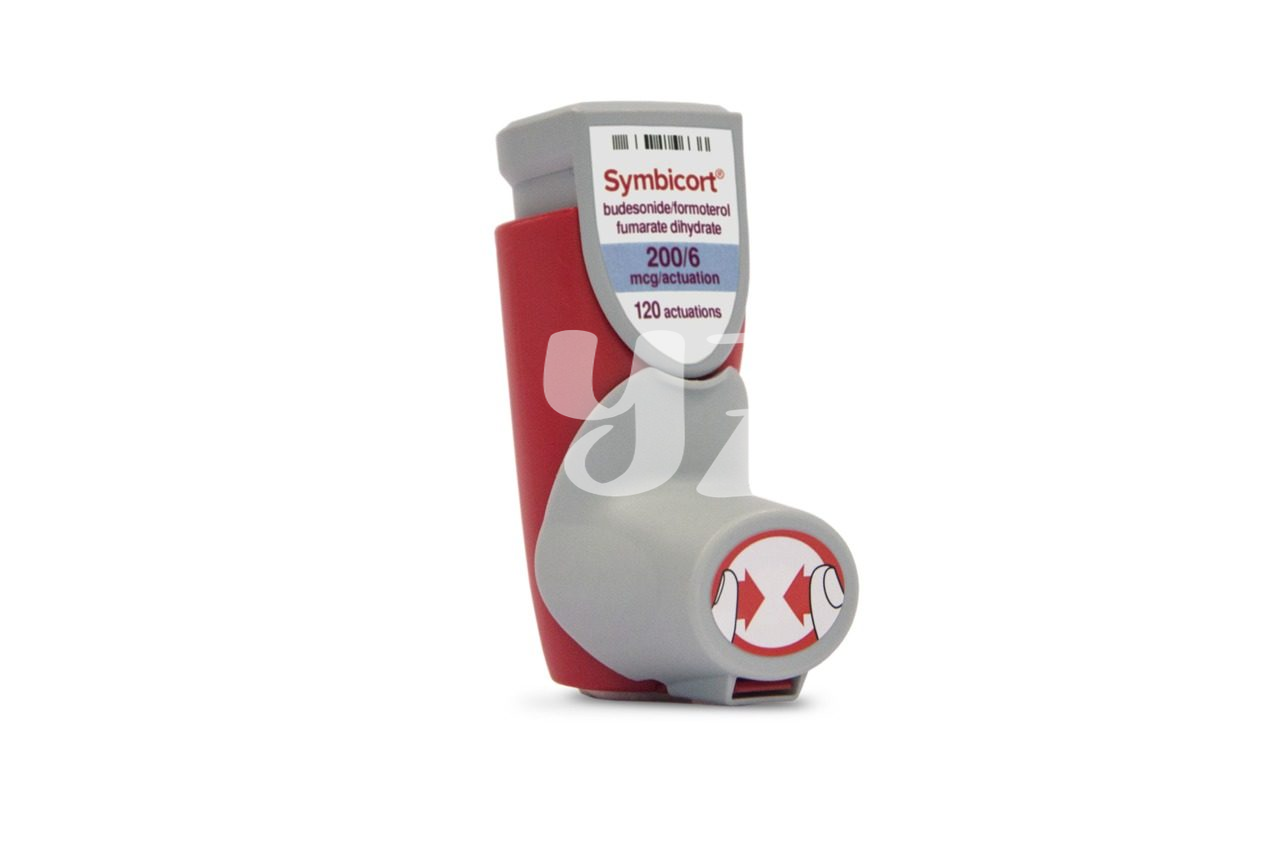
People with asthma or COPD who already use several medicines may be more likely to notice symbicort side effects, especially if they are sensitive to steroids or bronchodilators. Older adults, people with heart rhythm problems, high blood pressure, diabetes, glaucoma, or thyroid disorders should be extra cautious, since Symbicort can sometimes make these conditions harder to manage. A history of frequent infections or weak immune function can also raise concern.
Risk may be higher during the first weeks of treatment, when the body is still adjusting, or when the inhaler is used more often than prescribed. Children and teens may be more vulnerable to growth-related steroid effects, while smokers and people with poor inhaler technique may get less benefit and more irritation. Sharing your full medical history helps your doctor match treatment to your needs.
Managing Symptoms and Reducing Treatment Risks
Using Symbicort as prescribed can ease breathing while lowering the chance of unwanted effects. Keep a simple routine: rinse your mouth after each dose, use the inhaler correctly, and note any changes in sleep, mood, or heartbeat. Small habits often prevent bigger problems.
If symptoms feel mild, don’t ignore them. A dry throat, hoarseness, or shaky hands may improve with better technique, hydration, and timing. Track when they happen so you can spot patterns and share them with your doctor.
| Tip | Why it helps |
|---|---|
| Rinse after use | Reduces mouth irritation |
| Monitor symptoms | Catches problems early |
Keep follow-up visits, especially if you use Symbicort long term. Your doctor can adjust treatment, check inhaler use, and help reduce risks before they grow.
When to Contact Your Doctor Quickly
If you notice worsening wheezing, chest tightness, or rescue inhaler use that suddenly rises, call your doctor promptly. Symptoms that do not improve after several doses deserve quick review, especially if they interrupt sleep or daily activity. Persistent cough, unusual shakiness, or a racing heartbeat can also signal that your treatment plan needs adjustment. NHLBI asthma medicines MedlinePlus Symbicort
Seek urgent help if you develop severe breathing trouble, swelling, hives, fainting, or a bluish color around the lips. These can point to a serious reaction that should not wait. Even less dramatic changes matter when they appear suddenly after a new dose or inhaler technique change, because early attention can prevent a bigger flare-up and keep your breathing steadier. FDA Symbicort safety Asthma + Lung UK preventer inhaler
Contact your doctor quickly if you think you have a throat infection, fever, or white patches in the mouth, since inhaled steroids can sometimes allow thrush to develop. A voice that becomes hoarse, a tremor that interferes with work, or palpitations after each dose also deserve discussion. Bringing up these details early helps your clinician fine-tune treatment before side effects become harder to manage.
Never wait if you feel your asthma or COPD is slipping out of control despite regular use. A quick call can clarify whether you need an inhaler technique check, a different dose, or another medicine. Acting early turns concern into a plan, and that can protect both your breathing and your confidence.