

To Buy Tetracycline Online Visit Our Pharmacy ↓
 Tetracycline in Acne Treatment Explained
How Tetracycline Fights Acne-causing Bacteria
When acne flares, bacteria and inflammation team up to clog pores and trigger painful breakouts. Tetracycline steps in by slowing the growth of acne-related bacteria, especially Cutibacterium acnes, which helps reduce the number of microbes living inside pores.
It does not just target bacteria; it also eases the immune response that fuels redness and swelling. This dual action can make blemishes less tender and help existing pimples heal more calmly over time.
As the bacterial load drops, the skin often becomes less reactive. Fewer bacteria means less debris, less irritation, and a lower chance that small clogged pores will turn into larger inflamed lesions.
| Result | Effect |
| Less bacterial growth | Fewer acne triggers |
| Reduced inflammation | Less redness and swelling |
Why Doctors Prescribe Tetracycline for Acne

Doctors often choose tetracycline when acne becomes more than an occasional breakout and starts affecting confidence, comfort, and daily life. It can help calm inflamed pimples by reducing the bacteria that contribute to flare-ups, while also easing the redness and swelling that make acne look and feel worse.
This medicine is usually prescribed when topical treatments alone are not enough, especially for moderate to severe acne on the face, back, or chest. Because tetracycline works from within the body, it can offer steady support over time, giving skin a better chance to heal and preventing new lesions from forming.
Understanding Dosage, Timing, and Treatment Length
Tetracycline for acne is usually taken at a steady dose your doctor sets, often once or twice daily. Taking it at the same time each day helps keep levels consistent, which supports better results and reduces the chance of missed doses. Many people notice that improvement is gradual, not overnight, so patience matters.
Treatment often lasts several weeks to a few months, depending on how your skin responds. Finishing the full course is important, even when breakouts start to fade, because stopping early can allow acne to return. Regular follow-ups help adjust the plan safely.
Common Side Effects and How to Manage Them
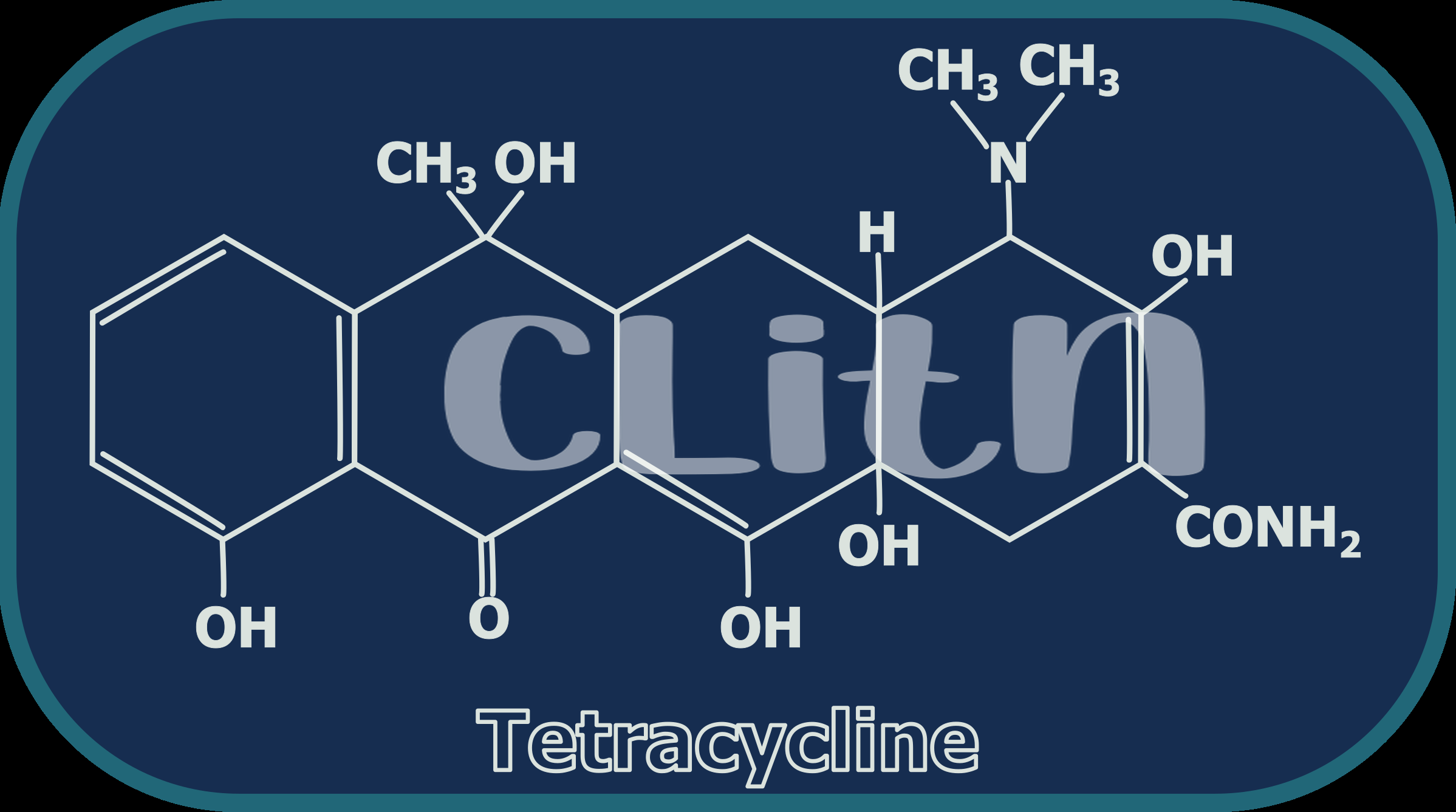
Tetracycline can cause a few uncomfortable effects, but most are manageable. Some people notice nausea, stomach upset, or diarrhea, especially when they first start treatment. Others may develop sensitivity to sunlight, making skin burn more easily. Taking the medicine with a full glass of water and staying upright afterward can help reduce irritation in the throat or stomach. If digestion feels unsettled, a light meal may make doses easier to tolerate.
Many side effects fade as the body adjusts, yet it helps to stay alert. Using sunscreen, wearing protective clothing, and avoiding long sun exposure can prevent painful reactions. If symptoms become severe, such as persistent vomiting, rash, or intense stomach pain, a doctor should be contacted quickly. Sticking to the prescribed plan often keeps tetracycline treatment safer and more comfortable.
Food, Sun, and Drug Interactions to Avoid
A tetracycline routine works best when it fits smoothly into daily habits. Dairy products, antacids, iron, and zinc can block absorption, so it is wiser to separate them from the dose by a few hours.
Sunlight deserves caution too. This medicine can make skin more sensitive, so broad-spectrum sunscreen, protective clothing, and shade help prevent burning.
Drug interactions matter as well. Retinoids, blood thinners, and some seizure medicines may clash with tetracycline, so check every prescription and supplement.
| Avoid | Why |
|---|---|
| Dairy, iron, antacids | Reduce absorption |
| Strong sun | Raises burn risk |
| Retinoids, blood thinners | May interact |
When Tetracycline Works Best for Acne Types
Tetracycline often helps most when acne is driven by inflammation rather than just clogged pores. It can calm red, tender papules and pustules, especially on the face, chest, or back, where bacteria and irritation tend to keep breakouts active. NCBI DermNet
For people with moderate inflammatory acne, doctors may use it to reduce swelling and limit new lesions while topical treatments do the rest. It is less useful for blackheads alone, because those lesions are not mainly bacterial. PMC AAD
Results are usually best when tetracycline is part of a broader plan, not the only treatment. Combined with benzoyl peroxide or retinoids, it can steadily improve stubborn acne over several weeks and help prevent flare cycles from returning. NCBI NHS