

To Buy Xifaxan Online Visit Our Pharmacy ↓
 Xifaxan and Traveler’s Diarrhea: Treatment Overview
What Traveler’s Diarrhea Really Means
Traveler’s diarrhea can turn an exciting trip into an urgent search for a bathroom. It usually starts after eating or drinking something contaminated, especially in places where food handling or water quality differs from what your body is used to.
The main signs are loose stools, stomach cramps, nausea, and sometimes fever or vomiting. For many travelers, symptoms appear suddenly and can last a day or two, but in some cases they linger long enough to disrupt sightseeing, meetings, and even the return flight.
A simple way to picture it is your gut reacting to unfamiliar germs. While often mild, it can become dehydrating and exhausting, making it more than just an inconvenience and a real health concern for anyone on the move.
| Common symptoms | Loose stools, cramps, nausea |
| Typical trigger | Contaminated food or water |
Why Xifaxan Stands Out for Travelers

For many travelers, the biggest advantage of xifaxan is its targeted action. Instead of sweeping through the body like some broad antibiotics, it stays largely in the gut, where traveler’s diarrhea usually begins. That means it can fight the bacteria causing trouble while minimizing disruption to the rest of the system.
This focused approach makes xifaxan especially appealing for people on the move. When a trip is packed with flights, meetings, tours, or family plans, fast relief matters. Travelers often want an option that is effective yet convenient, and xifaxan fits that need with a simple treatment routine.
It also stands out because it may be easier on digestion than many alternatives. By acting locally in the intestines, it can help restore comfort without adding unnecessary strain. For travelers who want practical treatment and a return to normal plans, that balance is hard to beat.
How Xifaxan Works Against Gut Infections
When traveler’s diarrhea strikes, the gut becomes a battleground of irritation and rapid fluid loss. Bacteria may cling to the intestinal lining, triggering inflammation, cramping, and urgent bathroom trips.
xifaxan works differently from many broader antibiotics because it stays mostly inside the intestines. There, it targets the bacteria responsible for symptoms, helping reduce the infection without spreading widely through the body.
By lowering the bacterial load in the gut, xifaxan gives the digestive tract a chance to recover. That can mean less diarrhea, calmer cramps, and a faster return to normal eating and travel plans.
For many travelers, this focused action is what makes it appealing: it treats the source of the problem where it starts, while avoiding unnecessary disruption elsewhere in the body.
When Xifaxan Is the Right Choice
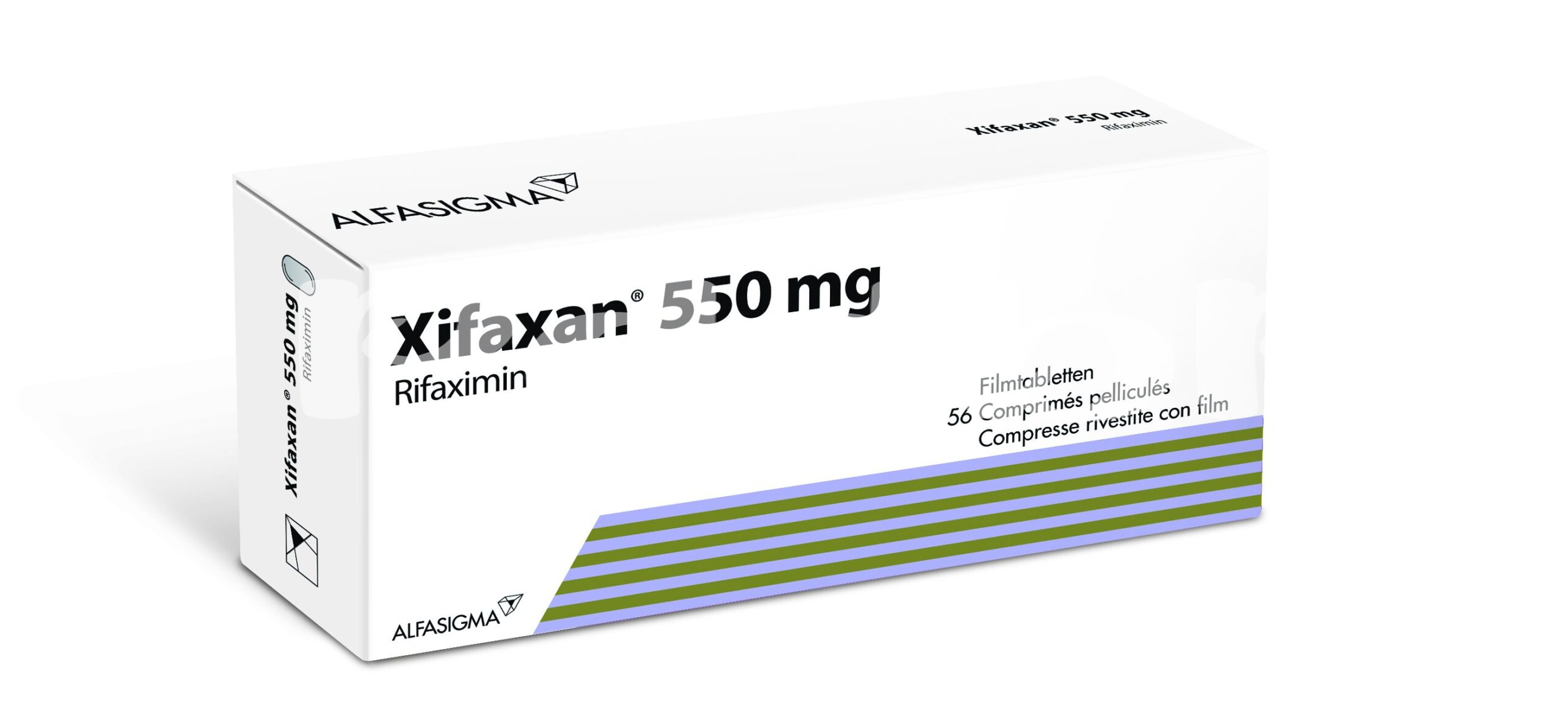
Xifaxan is often considered when traveler’s diarrhea is caused by noninvasive bacteria and symptoms are mainly loose stools, cramps, and urgency rather than fever or bloody stool. For many travelers, it offers a focused option because it works in the gut and is not absorbed widely into the bloodstream.
It may be especially useful for adults who need relief quickly while continuing a trip. A clinician can help decide if xifaxan fits the situation, particularly when symptoms are moderate, persistent, or occurring after travel to high-risk regions.
Safety Tips and Common Side Effects
Before starting xifaxan, travelers should check for allergies, current medicines, and any history of liver disease. It is wise to drink plenty of fluids, avoid alcohol if possible, and follow the exact dose prescribed, even when symptoms improve quickly.
Most people tolerate xifaxan well, but mild side effects can appear. These may include nausea, headache, stomach pain, bloating, or an urgent need to use the bathroom. They usually fade as the body adjusts.
If symptoms become severe, or if you notice rash, fever, or persistent diarrhea, seek medical advice promptly. Rarely, a reaction may need immediate attention. Do not use leftover antibiotics for future trips without guidance.
| Common issue | What to do |
| Headache | Rest and hydrate |
| Nausea | Take with food if advised |
Practical Travel Tips to Prevent Recurrence
The best defense starts before you leave home. Pack hand sanitizer, oral rehydration salts, and a few trusted medications so you are not scrambling in an unfamiliar place.
When food choices look risky, follow a simple rule: eat it hot, peel it yourself, or skip it. Avoid raw salads, uncooked seafood, and drinks with ice unless the water source is safe.
Hydration matters just as much as food safety. Sip bottled or treated water regularly, especially in hot climates, because even mild dehydration can make stomach upset feel much worse.
If symptoms return, rest, eat bland foods, and watch for fever, blood in the stool, or signs of dehydration. Quick attention can prevent a short setback from turning into a bigger disruption.