

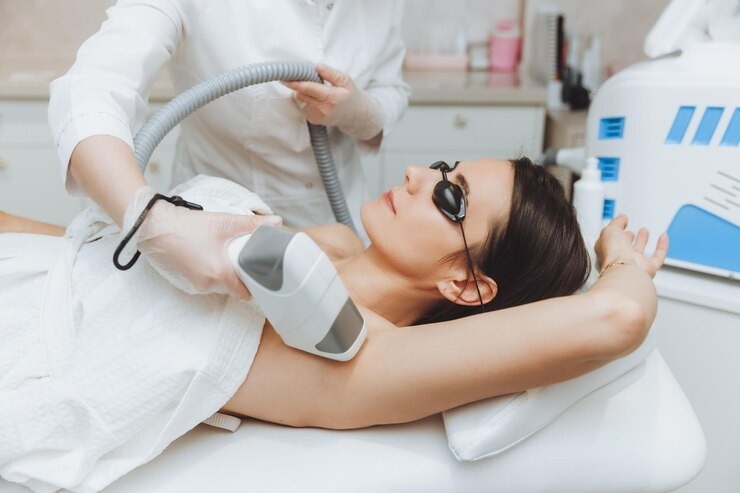
Unwanted body hair can make grooming feel like a constant task. Shaving takes time, waxing can hurt and both methods need repeat care. IPL offers another path for people who want long-term hair reduction.
IPL stands for Intense Pulsed Light. It uses pulses of light to target the pigment inside hair. The light creates heat in the hair follicle and slows future growth. Research shows that repeated IPL sessions can reduce hair count over time.
If you are thinking about a IPL hair removal treatment, you may have questions about results, comfort, safety, sessions and price. This guide breaks down each part in clear terms.
What Is IPL Hair Removal?
IPL is a light-based method for reducing unwanted hair. A device sends broad-spectrum light towards the skin. The pigment, called melanin, inside the hair absorbs this light.
The absorbed energy turns into heat. This heat affects the hair follicle and reduces its ability to grow new hair. This process is known as selective photothermolysis.
IPL does not work in the same way as waxing. Waxing pulls hair from the root. IPL targets the structure that produces the hair.
The treatment also differs from laser hair removal. A laser uses a focused wavelength of light, while IPL uses a broader range of wavelengths. Both methods aim to reduce hair growth, but their devices and treatment settings differ.
How Does IPL Hair Removal Work?
Hair contains melanin, the pigment that gives hair its colour. IPL sends light into this pigment.
The hair absorbs the light and carries heat towards the follicle. The heat disrupts the follicle and makes future growth harder.
Hair does not grow at the same stage across the body. Some hairs grow while others rest or shed. Light-based hair removal works best on hairs in an active growth stage. For this reason, one session cannot target every suitable hair.
A course of treatment gives IPL a chance to catch more hairs during the right growth stage.
What Happens During a Session?
Before treatment, the practitioner may assess your skin tone, hair colour and treatment area. They may also perform a patch test to check how your skin responds.
The main process may include:
- Shaving the treatment area before the session
- Cleaning and preparing the skin
- Choosing settings that suit the skin and hair
- Placing the IPL handpiece against the skin
- Sending short light pulses across the chosen area
- Giving aftercare advice once the session ends
Treatment time depends on the size of the area. A small facial area takes less time than the legs or back.
What Are the Main IPL Hair Removal Benefits?
One of the key IPL hair removal benefits is long-term hair reduction. Instead of cutting hair at skin level, IPL targets the follicle linked to hair growth.
Clinical research supports the ability of IPL to reduce hair count. A systematic review of home-use dermatology devices found several trials in which repeated IPL treatments produced meaningful hair reduction.
Other potential benefits include:
- Less need for regular shaving
- Reduced hair growth over a treatment course
- Treatment for small and large body areas
- Short sessions for smaller areas
- Less discomfort than some light-based methods for some people
A 2026 randomised trial found that both IPL and diode laser reduced underarm hair count and hair thickness. Participants reported lower pain scores with IPL during the study.
The IPL hair removal benefits can vary between people. Skin tone, hair colour, hair thickness, treatment settings and the number of sessions can shape the final result.
Which Areas Can IPL Treat?
IPL can target unwanted hair across many parts of the face and body. Common treatment zones include the legs, arms, underarms, bikini area, chest, back and selected facial areas.
The right treatment plan depends on the body part and your hair growth pattern.
Sensitive areas may need different settings from areas with thicker skin. Eye protection also matters because intense light can harm the eyes when safety measures fail. A review of light-assisted hair removal reports both skin and eye complications and stresses the role of correct technique and safety measures.
Who May Be Suitable for IPL Hair Removal?
IPL relies on pigment in the hair to absorb light. Hair and skin colour can affect how the treatment works.
Dark hair contains more melanin than light hair, which can give the light a stronger target. Grey, white, very light blonde and some red hair may respond less because these hairs contain less suitable pigment.
Skin tone also matters. IPL settings must balance enough energy to affect the hair while protecting the surrounding skin.
A trained practitioner should assess these factors before a professional IPL hair removal treatment begins.
How Many IPL Sessions Will You Need?
IPL hair removal is a course, not a one-session fix.
The number of sessions varies from person to person. Hair density, treatment area, growth cycle, skin tone, hair colour and device settings can all affect the plan.
Research also shows why repeat sessions matter. Clinical trials have used several treatments over a period of weeks or months and found reductions in hair count after repeated exposure.
Some people may need maintenance sessions after their main course. Hormonal changes and new hair growth can affect how long the result lasts.
Does IPL Hair Removal Hurt?
People often describe IPL as a warm or snapping feeling on the skin. Comfort levels differ based on the treatment area, hair density, device settings and personal sensitivity.
Recent research comparing IPL with diode laser found lower pain scores with IPL in the study group. That does not mean every person will have the same experience.
Good preparation and suitable settings can make an IPL hair removal treatment more comfortable.
Are There Any Side Effects?
IPL can cause side effects, even when the treatment goes as planned.
Redness, warmth and mild swelling around the hair follicles can occur after light-based hair removal. Research has also reported burns, pigment changes, blistering and other skin reactions in some cases.
A large review of adverse events found that risks can relate to skin type, body area, device choice and treatment settings.
Choosing suitable settings and following safety guidance can reduce avoidable risks.
How Should You Prepare for IPL?
Good preparation supports safe treatment and helps the light reach the hair follicle.
You may need to shave the area before your appointment. Avoid waxing or plucking when your practitioner tells you to do so, as these methods remove the hair from the root.
Tell your practitioner about your medications, skin concerns and any recent changes to your skin before treatment. Ask for clear guidance on sun exposure and skincare products as part of your consultation.
These steps help you gain the IPL hair removal benefits while protecting your skin.
What Is the IPL Hair Removal Cost?
There is no single IPL hair removal cost that applies to everyone. Prices change with the treatment area, number of sessions, location, equipment and level of professional care.
A small area may cost less per session than full legs, the back or another large zone. A complete treatment course also costs more upfront than one session.
When comparing the IPL hair removal cost, look beyond the price of one appointment. Ask how many sessions the proposed plan includes, whether patch testing forms part of the price and whether maintenance sessions carry separate charges.
The cheapest option does not tell you whether a treatment suits your skin or hair.
IPL vs Laser Hair Removal: What Is the Difference?
People often place IPL and laser hair removal in the same group, but the technologies differ.
IPL produces broad-spectrum, non-coherent light. Laser devices use a more focused wavelength. Both use light energy to target pigment within hair structures.
A 2026 randomised study found that IPL and diode laser both reduced underarm hair. The diode laser produced stronger long-term outcomes in that trial, while IPL caused less discomfort.
The right choice depends on your skin, hair, treatment goals and professional assessment rather than the name of the technology alone.
How Long Do IPL Results Last?
IPL aims for long-term hair reduction rather than a promise that every hair will disappear for life.
After a successful course, you may notice fewer hairs, finer growth and longer gaps between grooming sessions. Results can change as hormones, age and hair cycles change.
The IPL hair removal benefits become clearer when you view the treatment as ongoing hair management rather than an instant solution.
Is IPL Hair Removal Worth Considering?
IPL gives people a light-based option for reducing unwanted hair without relying on constant shaving or waxing. Evidence shows that repeated treatment can reduce hair counts, though results vary between individuals.
Before booking an IPL hair removal treatment, check whether your hair colour, skin tone and treatment area suit the method. Discuss expected results, possible side effects and the full IPL hair removal cost before starting a course.
Final Thoughts
IPL hair removal can simplify long-term grooming for suitable candidates. It works by sending pulses of light towards pigment in the hair and using heat to affect the follicle.
Results need time and repeat sessions. Safety also matters as much as hair reduction. A proper skin and hair assessment can help set realistic expectations and reduce avoidable risks.
Understanding the process, possible side effects, expected results and total IPL hair removal cost gives you a clearer picture before treatment. With the right approach, IPL can form part of a practical long-term hair reduction plan.